If you’ve been craving something savory, colorful, and a little bit indulgent without actually cooking much, antipasto is the answer. A well-made antipasto platter brings together bold Mediterranean flavors—salty olives, creamy cheeses, marinated vegetables, and cured meats—all layered into one irresistible spread.
It’s the kind of dish that feels relaxed but still impressive. Whether you’re hosting friends, building a holiday appetizer table, or just assembling a quick snack board for the evening, antipasto turns simple ingredients into something that looks beautiful and tastes even better.
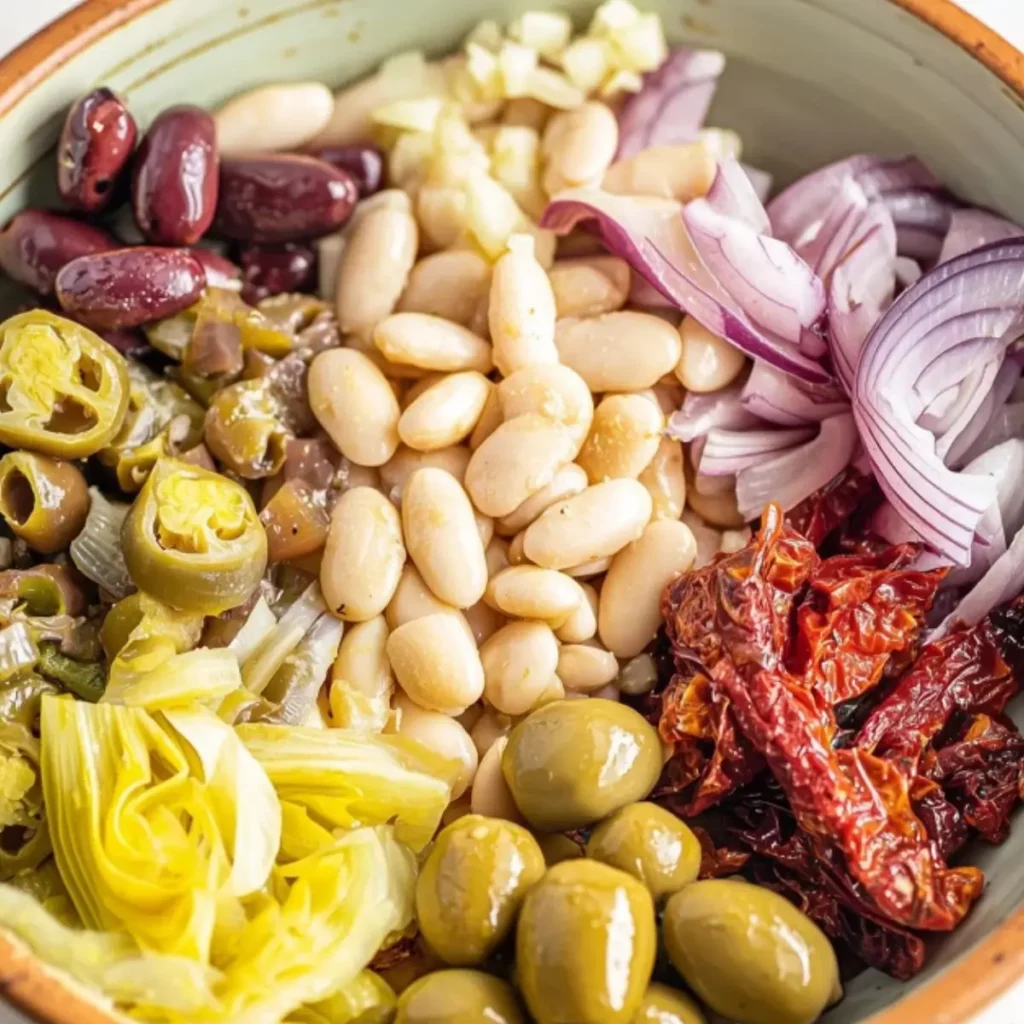
Table of Contents
Why This Antipasto Is Always a Crowd Favorite
Antipasto is one of those dishes that instantly feels festive. The name literally means “before the meal” in Italian, and traditionally it’s served as a starter meant to wake up the appetite. But honestly? A generous antipasto spread can easily become the whole meal.
What makes this antipasto especially appealing is the balance of flavors and textures. You’ve got tangy marinated vegetables, salty cured meats, briny olives, and creamy cheeses all sharing the same platter. Every bite feels a little different.
It’s also incredibly flexible. You can assemble an antipasto platter in minutes, adjust it for different diets, or build a big board for parties and gatherings. No stove required—just good ingredients arranged in a way that invites everyone to dig in.
The Flavor-Packed Ingredients That Make Antipasto Shine
A classic antipasto platter brings together a mix of meats, cheeses, vegetables, and briny extras. Each one adds something important to the overall experience.
- Salami – a classic cured meat that adds rich, savory flavor and a little chewiness.
- Prosciutto – delicate, thin slices of Italian ham with a salty, melt-in-your-mouth texture.
- Mozzarella – creamy and mild, this cheese balances the stronger cured meats.
- Marinated artichoke hearts – tangy and tender, they bring bright acidity to the platter.
- Roasted red peppers – slightly sweet with a smoky edge that pairs beautifully with meats and cheese.
- Olives – briny and bold, they add that signature Mediterranean bite.
- Cherry tomatoes – juicy and fresh, offering a pop of sweetness and color.
- Pepperoncini – lightly pickled peppers that add a gentle tang and mild heat.
- Fresh basil – fragrant herbs that bring freshness and aroma to the platter.
- Olive oil – a light drizzle ties everything together with smooth richness.
See the recipe card below for the full list of ingredients and measurements.
How to Build a Beautiful Antipasto Platter
- Start with a large serving board or platter. Choose something wide enough to spread everything out comfortably. Antipasto looks best when it feels abundant but not overcrowded.
- Arrange the cheeses first. Place mozzarella or other cheeses around the platter as anchor points. This helps guide the layout and keeps the board balanced.
- Fold or roll the cured meats. Instead of laying them flat, gently fold or roll slices of salami and prosciutto. This creates height and makes the platter look more inviting.
- Add the marinated vegetables. Scatter artichoke hearts and roasted red peppers between the meats and cheeses. Their bright color and glossy finish add visual contrast.
- Tuck in olives and pepperoncini. Fill the smaller gaps with olives and tangy peppers. These little bursts of flavor keep each bite interesting.
- Scatter fresh tomatoes. Nestle cherry tomatoes throughout the platter so every section has a pop of freshness.
- Finish with fresh herbs and olive oil. Tear basil leaves over the top and drizzle lightly with olive oil. The aroma alone makes the whole board feel restaurant-worthy.
Simple Tricks for an Even Better Antipasto
A few small details can make your antipasto look and taste even better.
Bring ingredients to room temperature. Cold cheese and meats can taste muted. Letting them sit out briefly allows their flavors to fully shine.
Pat marinated vegetables lightly dry. Too much marinade can make the platter messy. A quick blot keeps everything balanced.
Slice larger items into bite-sized pieces. Antipasto should be easy to nibble. Smaller pieces make it effortless for guests to grab a little of everything.
Balance salty and fresh elements. If your cured meats are particularly salty, add extra tomatoes or fresh herbs to keep the platter from feeling too heavy.
Refresh leftovers properly. If you have extra antipasto, store components separately in airtight containers. When serving again, drizzle with fresh olive oil to revive the flavors.
Easy Ways to Customize Your Antipasto Spread
One of the best things about antipasto is how adaptable it is.
For a heartier spread, add crusty bread, toasted baguette slices, or crunchy breadsticks. These soak up olive oil and pair beautifully with cheeses and meats.
If you want a vegetarian antipasto, skip the cured meats and load the platter with marinated mushrooms, grilled zucchini, sun-dried tomatoes, and extra cheeses.
You can also lean into seasonal ingredients. In summer, fresh melon pairs beautifully with prosciutto. In cooler months, roasted vegetables or marinated mushrooms bring warmth and depth.
And if you’re serving antipasto as part of a larger meal, it pairs wonderfully with pasta dishes, fresh salads, or a simple glass of red wine that highlights all those savory Mediterranean flavors.
Conclusion
A generous antipasto spread has a way of bringing people together. The mix of savory meats, creamy cheese, bright vegetables, and briny olives creates a platter that feels both effortless and abundant. Every bite offers something different—salty, tangy, fresh, or rich—which is exactly what makes antipasto so enjoyable to share. Set it out with crusty bread and a good glass of wine, and the table instantly feels warm and welcoming.
FAQs about Antipasto
What is traditionally included in antipasto?
A traditional antipasto typically includes a mix of cured meats, cheeses, olives, marinated vegetables, and sometimes bread or crackers. Popular choices include salami, prosciutto, mozzarella, artichoke hearts, roasted peppers, and olives. The goal is balance—salty, creamy, tangy, and fresh elements all working together. Every region in Italy has its own variations, so the ingredients can shift depending on what’s available.
Can antipasto be made ahead of time?
Yes, antipasto can be partially prepared ahead. Meats, cheeses, and vegetables can be sliced or portioned earlier in the day and stored separately in airtight containers. When it’s time to serve, simply arrange everything on the platter and add fresh herbs or a drizzle of olive oil. This keeps the ingredients fresh while saving time before guests arrive.
How long does an antipasto platter last in the refrigerator?
Leftover antipasto components usually keep well for several days when stored in airtight containers in the refrigerator. Meats and cheeses are best enjoyed within a few days, while marinated vegetables may last a bit longer. If the platter has already been assembled, separating the ingredients before storing can help maintain freshness and texture.
What pairs well with antipasto?
Antipasto pairs beautifully with simple sides that complement its bold flavors. Crusty bread, toasted baguette slices, or crisp breadsticks are classic options. Light salads, fresh fruit, or even a simple pasta dish can round out the meal. For drinks, many people enjoy antipasto with a glass of red wine, sparkling water, or a light Italian spritz.
More Relevant Recipes
- Whipped Ricotta Dip: This creamy whipped ricotta dip delivers the same Mediterranean-inspired flavors that make antipasto platters so irresistible. Smooth ricotta is blended until light and airy, then finished with olive oil, herbs, and simple toppings. Serve it with toasted bread, crackers, or fresh vegetables for an elegant appetizer that fits beautifully alongside olives, roasted peppers, and other antipasto-style bites.
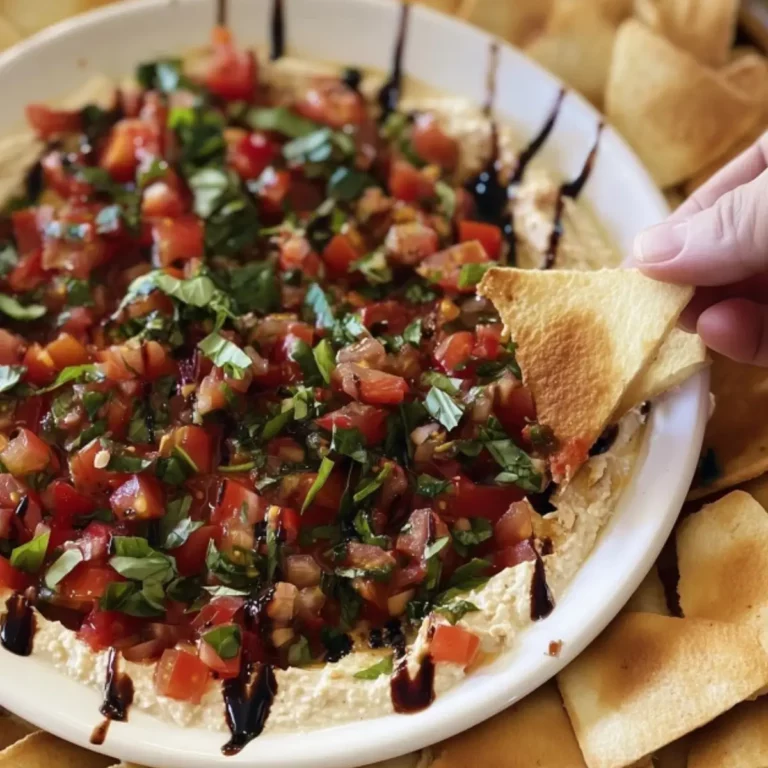
- Bruschetta Dip: Bright tomatoes, garlic, herbs, and creamy layers come together in this bruschetta dip that echoes the fresh Italian flavors found in a classic antipasto spread. It offers the same balance of tangy, savory, and herbaceous notes, making it a perfect companion to crusty bread or crackers. This appetizer captures the essence of Mediterranean starters in a scoopable, party-friendly form.
- Chickpea Feta Salad: Packed with briny feta, tender chickpeas, and crisp vegetables, this salad brings together the same vibrant Mediterranean ingredients commonly featured on antipasto boards. The combination of creamy cheese, fresh herbs, and zesty dressing creates a refreshing dish that pairs beautifully with olives, marinated vegetables, and rustic bread for a light yet flavorful appetizer or side.
Antipasto Platter
A colorful antipasto platter filled with cured meats, cheeses, olives, and marinated vegetables, perfect for sharing as an Italian-style appetizer.
- Prep Time: 15 minutes
- Cook Time: 0 minutes
- Total Time: 15 minutes
- Yield: 6 servings 1x
- Category: Appetizer
- Method: No Cook
- Cuisine: Italian
Ingredients
- 4 oz salami, sliced
- 4 oz prosciutto, thinly sliced
- 8 oz fresh mozzarella balls
- 1 cup marinated artichoke hearts, drained
- 1 cup roasted red peppers, sliced
- 1 cup mixed olives
- 1 cup cherry tomatoes
- 1/2 cup pepperoncini peppers
- 2 tablespoons olive oil
- Fresh basil leaves for garnish
Instructions
- Select a wide serving board or platter to give the ingredients space to spread out.
- Place the mozzarella in a few spots across the board so they act as anchor points for the rest of the arrangement.
- Fold or loosely roll slices of salami and prosciutto, then arrange them near the cheeses to add height and texture.
- Add the marinated artichoke hearts and roasted red peppers around the meats and cheese for color and tangy flavor.
- Scatter olives and pepperoncini into the smaller gaps to balance the platter with briny bites.
- Distribute the cherry tomatoes throughout for freshness and bright color.
- Drizzle olive oil lightly over the ingredients and finish with torn basil leaves before serving.
Notes
- Allow meats and cheeses to sit at room temperature briefly before serving for the best flavor.
- Use a variety of olives for more depth of flavor and visual contrast.
- If assembling ahead, store components separately and arrange the platter shortly before serving.
- Add crusty bread or crackers on the side for a more substantial appetizer spread.
Nutrition
- Serving Size: 1 serving
- Calories: 210
- Sugar: 3 g
- Sodium: 620 mg
- Fat: 16 g
- Saturated Fat: 6 g
- Unsaturated Fat: 9 g
- Trans Fat: 0 g
- Carbohydrates: 6 g
- Fiber: 1 g
- Protein: 10 g
- Cholesterol: 30 mg
Keywords: antipasto, antipasto platter, Italian appetizer, charcuterie board, Mediterranean appetizer