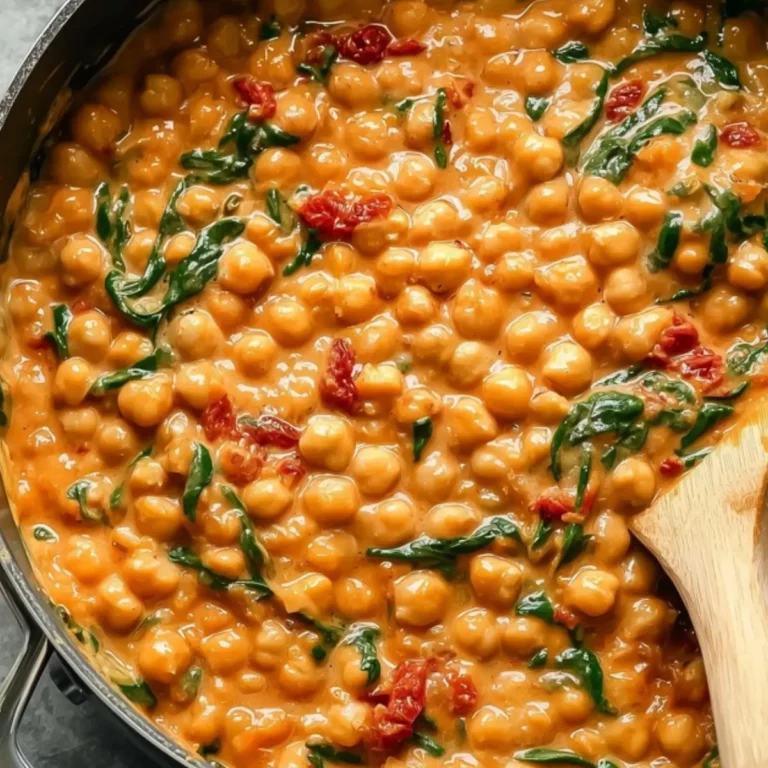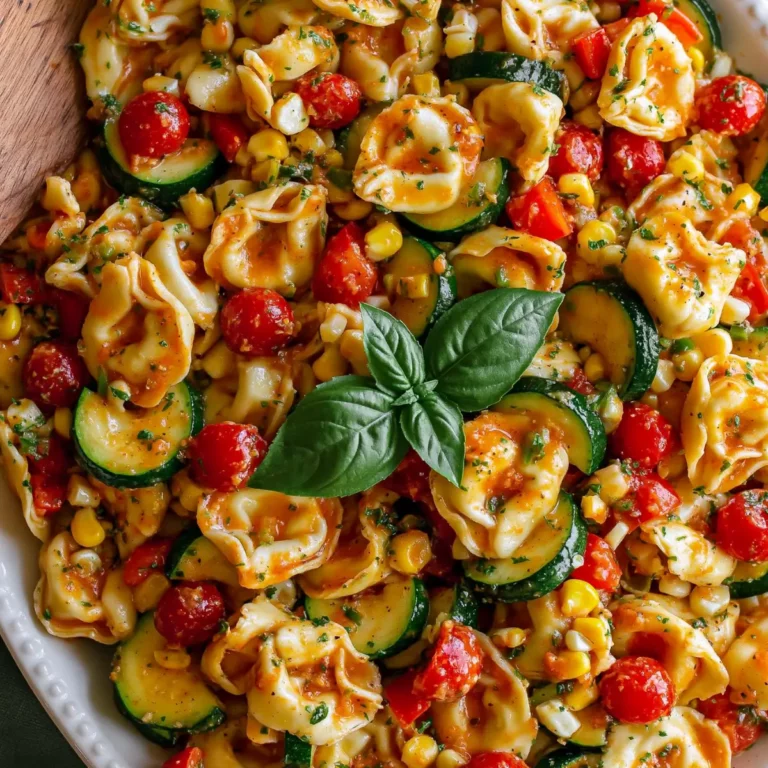
There’s something about a pan of Baked Pasta and Spring Veggies bubbling away in the oven that feels a little magical. The smell alone—garlic softening in olive oil, creamy ricotta melting into pasta, vegetables turning tender at the edges—can pull people into the kitchen like a magnet.
This is the kind of dish I make when the markets start filling with bright green vegetables again. Asparagus snaps when you bend it. Peas taste almost sweet. Spinach wilts in seconds, like it’s just waiting to be tossed into something warm and comforting.
And that’s exactly what this Baked Pasta and Spring Veggies delivers: comfort with a lighter, fresher personality. Creamy cheese. Tender pasta. A medley of spring vegetables tucked into every bite. It’s cozy without being heavy, which honestly feels like a small miracle.
Some nights I swear it tastes even better straight from the baking dish while standing at the counter. Not elegant—but deeply satisfying.

Table of Contents
When Baked Pasta and Spring Veggies Becomes the Perfect Weeknight Comfort
Pasta bakes tend to get a reputation for being rich and wintery. Heavy sauces. Dense layers. The kind of food that demands a blanket and a quiet evening.
But Baked Pasta and Spring Veggies flips that idea on its head.
The vegetables keep everything bright and lively. Asparagus adds that grassy snap. Zucchini softens into silky little bites. Peas pop with sweetness. And spinach—well, spinach sneaks in quietly and makes the whole dish feel a bit virtuous.
The sauce is creamy but balanced. Ricotta creates that fluffy, cloud-like texture, while mozzarella melts into stretchy pockets that make every forkful feel indulgent. Parmesan steps in with a nutty, savory edge that ties everything together.
It’s hearty, yes. But also surprisingly fresh.
The kind of dinner that feels just right when the weather can’t decide whether it’s still winter or already spring.
Ingredients That Bring This Spring Pasta Bake to Life
This Baked Pasta and Spring Veggies recipe works because every ingredient pulls its weight. Nothing feels random. Even the simplest elements quietly shape the flavor and texture of the dish.
Here’s what makes it work:
• Whole-wheat pasta – the sturdy backbone of the dish. Its slightly nutty flavor pairs beautifully with the creamy cheese sauce and holds up well during baking.
• Ricotta cheese – light, creamy, and just a little tangy. It forms the base of the sauce and keeps the pasta bake soft rather than dense.
• Mozzarella cheese – the melt factor. It turns golden on top and stretchy underneath, creating that irresistible baked-pasta texture.
• Parmesan cheese – sharp and savory. A small amount deepens the flavor of the entire dish.
• Egg – quietly important. It helps stabilize the ricotta mixture so the sauce stays creamy instead of separating in the oven.
• Asparagus – bright, grassy, and unmistakably spring. It adds a tender crunch and a fresh flavor that cuts through the richness.
• Zucchini – mild and silky once cooked, it blends effortlessly into the pasta bake while adding moisture and balance.
• Green peas – sweet little bursts that brighten every bite. They’re tiny but powerful.
• Baby spinach – soft, earthy greens that melt right into the pasta once wilted.
• Onion – the quiet flavor builder. When sautéed, it adds sweetness and depth.
• Garlic – fragrant and savory. The smell alone makes the kitchen feel like something good is happening.
• Olive oil – used for sautéing and building the flavor base of the vegetables.
See the recipe card below for the full list of ingredients and measurements.
Building the Creamy Heart of Baked Pasta and Spring Veggies
The secret to a really good Baked Pasta and Spring Veggies isn’t complicated technique. It’s rhythm. Each step builds quietly on the last.
1. Cook the pasta
Start by boiling the pasta until it’s just shy of fully tender. Slightly undercooked pasta works best here because it finishes cooking in the oven.
Drain it. Don’t rinse it. That starchy coating helps the sauce cling to every piece.
2. Sauté the vegetables
Heat a little olive oil in a large skillet and add chopped onion. Let it soften slowly—it should smell sweet, not sharp.
Next comes the garlic. Just a quick stir until fragrant.
Add the asparagus, zucchini, and peas. Cook them briefly so they begin to soften but still keep some structure. You want vegetables that feel lively, not limp.
Finally, toss in the spinach and stir until it collapses into the pan. It wilts almost instantly.


3. Stir together the creamy ricotta mixture
In a bowl, combine ricotta, shredded mozzarella, grated Parmesan, and the egg.
The mixture should look thick and creamy—almost like a savory cheesecake batter. It might seem heavy at first, but once it bakes with the pasta and vegetables, everything loosens into a silky sauce.
4. Bring everything together
Add the cooked pasta to the vegetables.
Fold in the ricotta mixture until every piece of pasta is lightly coated. Some pockets of cheese are perfectly fine—those become the best bites later.

5. Transfer and bake
Spread the mixture into a baking dish and top with a little extra mozzarella.
Then into the oven it goes.
As it bakes, the cheese melts, the vegetables soften further, and the pasta absorbs all that creamy flavor. The top turns lightly golden and bubbly, which is your cue that dinner is almost ready.
Small Tricks That Make This Spring Pasta Bake Even Better
A few little kitchen habits can quietly elevate your Baked Pasta and Spring Veggies from good to genuinely memorable.
Cook spinach just until wilted
Spinach holds more water than you might expect. Cooking it briefly before mixing it into the pasta prevents excess moisture from diluting the sauce later.
Freshly grated cheese melts better
Pre-shredded cheese can save time, but it sometimes contains anti-caking agents that make sauces thicker. If you have a moment, grate the cheese yourself. The texture tends to be smoother and creamier.
Don’t overcook the vegetables
They’ll soften further in the oven, so keeping them slightly crisp during sautéing preserves their texture.
Nobody wants mushy asparagus.
Ways to Adapt Baked Pasta and Spring Veggies
One of the best things about Baked Pasta and Spring Veggies is how flexible it is. Spring vegetables vary from week to week, and honestly, this dish handles substitutions beautifully.
Swap in other seasonal vegetables
Chopped artichoke hearts work wonderfully here, adding a subtle tang. Broccoli florets or tender green beans also fit right in.
Add fresh herbs
A handful of chopped basil, parsley, or dill stirred into the ricotta mixture brings an entirely new layer of brightness.
Stir pesto into the ricotta
A spoonful of pesto folded into the cheese mixture gives the entire pasta bake a rich herbal flavor that feels unmistakably Italian.
Serving Baked Pasta and Spring Veggies at the Table
When the Baked Pasta and Spring Veggies comes out of the oven, give it a few minutes to rest. The bubbling cheese settles, the sauce thickens slightly, and the pasta slices more neatly.
Though I’ll admit—I rarely wait long enough.
Serve it warm with a simple green salad or roasted vegetables. The pasta itself is creamy and hearty, so something crisp on the side balances everything nicely.
And if you happen to sneak a forkful straight from the dish while it’s still steaming… well. That’s practically part of the recipe.
Conclusion
Pull a spoonful straight from the dish while it’s still warm and you’ll understand why this Baked Pasta and Spring Veggies disappears so quickly. The creamy ricotta melts into the pasta, asparagus stays just tender enough to snap, and those little peas pop with sweetness in between bites of bubbling cheese. It smells like garlic and toasted mozzarella, the kind of scent that lingers in the kitchen long after dinner. Sometimes I add a quick sprinkle of Parmesan right before serving, sometimes I don’t—it’s good either way. Either way, a generous scoop in a bowl and a quiet moment at the table feels just right.
FAQs about Baked Pasta and Spring Veggies
Can I make Baked Pasta and Spring Veggies ahead of time?
Yes, this dish works well as a make-ahead meal. Assemble the pasta bake completely, cover it tightly, and refrigerate it for up to a day before baking. When ready to cook, let the dish sit at room temperature for a few minutes while the oven preheats. You may need to add a few extra minutes to the baking time.
How should I store leftover Baked Pasta and Spring Veggies?
Store leftovers in an airtight container in the refrigerator for up to four days. The pasta will continue absorbing the creamy sauce, which actually deepens the flavor. Reheat gently in the microwave or oven with a splash of water or milk to loosen the sauce.
Can I freeze this spring vegetable pasta bake?
Yes, it freezes surprisingly well. Let the baked pasta cool completely, then wrap the dish tightly or transfer portions to freezer-safe containers. Freeze for up to three months. Thaw overnight in the refrigerator before reheating for the best texture.
What vegetables can I substitute in Baked Pasta and Spring Veggies?
This recipe is flexible, which makes it perfect for seasonal cooking. Artichoke hearts, broccoli florets, or tender green beans work nicely in place of zucchini or asparagus. Just aim for vegetables that cook quickly and hold their texture during baking.
More Relevant Recipes
- Baked Feta Pasta Recipe: This creamy baked feta pasta delivers the same comforting, oven-baked appeal as Baked Pasta and Spring Veggies. Roasting feta with tomatoes creates a rich, tangy sauce that melts into tender pasta, producing a luscious texture and deep flavor. Like the spring veggie pasta bake, it’s a cozy dish that transforms simple ingredients into a satisfying, creamy pasta dinner.
- Creamy Tomato Pasta Recipe: This silky tomato pasta pairs a velvety cream sauce with perfectly cooked noodles, creating the same comforting and hearty feel found in Baked Pasta and Spring Veggies. The balance of acidity from tomatoes and richness from cream makes it deeply satisfying while still feeling fresh and vibrant, similar to vegetable-forward pasta dishes.
- Spring Pea Pasta Salad: Bright peas, tender pasta, and fresh seasonal ingredients make this pasta salad a natural companion to Baked Pasta and Spring Veggies. While served chilled rather than baked, it celebrates the same spring flavors and vegetable-forward style. The combination of fresh herbs, pasta, and vibrant vegetables delivers a light yet satisfying dish perfect for spring meals.
Baked Pasta and Spring Veggies Creamy Oven Recipe

This Baked Pasta and Spring Veggies recipe combines whole-wheat pasta with asparagus, zucchini, peas, spinach, and a creamy trio of cheeses for a comforting oven-baked dinner that still tastes bright and seasonal.
- Prep Time: 20 minutes
- Cook Time: 30 minutes
- Total Time: 50 minutes
- Yield: 6 servings 1x
- Category: Dinner
- Method: Baking
- Cuisine: American
Ingredients
- 8 ounces whole-wheat penne pasta
- 1 tablespoon olive oil
- 1 small onion, finely chopped
- 3 cloves garlic, minced
- 1 medium zucchini, chopped
- 8 ounces asparagus, trimmed and cut into bite-size pieces
- 1 cup green peas (fresh or frozen)
- 4 cups baby spinach
- 1 cup ricotta cheese
- 1 large egg
- 1 cup shredded mozzarella cheese, divided
- 1/2 cup grated Parmesan cheese
- 1/2 teaspoon salt
- 1/4 teaspoon ground black pepper
Instructions
- Bring a large pot of salted water to a boil and cook the whole-wheat penne according to the package directions until just tender. Drain the pasta and set it aside.
- Warm the olive oil in a large skillet over medium heat. Add the chopped onion and cook for a few minutes until softened and fragrant.
- Stir in the minced garlic and cook briefly, just until aromatic. Add the zucchini, asparagus, and peas, cooking until the vegetables begin to soften but still hold their shape.
- Add the spinach to the skillet and stir until it wilts down. Remove the pan from heat.
- In a mixing bowl, combine the ricotta cheese, egg, half of the shredded mozzarella, Parmesan cheese, salt, and black pepper. Mix until smooth and evenly blended.
- Add the cooked pasta and sautéed vegetables to the ricotta mixture. Gently fold everything together so the pasta and vegetables are coated with the creamy mixture.
- Transfer the mixture to a baking dish and spread it evenly. Sprinkle the remaining mozzarella over the top.
- Bake in a preheated oven at 375°F (190°C) until the cheese is melted and lightly golden and the dish is heated through, about 25 to 30 minutes.
- Let the pasta rest for a few minutes before serving so the sauce settles slightly.
Notes
- If using frozen peas, they can be added directly to the skillet without thawing.
- Cook the spinach only until wilted to prevent excess moisture from thinning the sauce.
- Freshly shredded cheese melts more smoothly than pre-shredded varieties.
- Chopped artichoke hearts or fresh herbs can be added for extra flavor.
Nutrition
- Serving Size: 1 serving
- Calories: 396
- Sugar: 5 g
- Sodium: 493 mg
- Fat: 14 g
- Saturated Fat: 7 g
- Unsaturated Fat: 6 g
- Trans Fat: 0 g
- Carbohydrates: 49 g
- Fiber: 7 g
- Protein: 20 g
- Cholesterol: 75 mg
Keywords: baked pasta and spring veggies, vegetable pasta bake, spring vegetable pasta, baked penne with vegetables, ricotta pasta bake