Cottage cheese mac and cheese sounded a little suspicious to me the first time I made it. I’ll admit that. I’m deeply loyal to the creamy, clingy, unapologetically cheesy kind of mac and cheese that steams up your glasses when you lean over the pot. So when I heard blended cottage cheese could slip into the sauce and make it richer without tasting obviously “healthy,” I was ready to be skeptical. Then I took one bite.
The sauce was smooth. Not grainy, not oddly tangy, not trying too hard. Just creamy, buttery, and wrapped around every piece of pasta the way a proper cheese sauce should. The cheddar gave it that familiar comfort-food flavor, the garlic and paprika added a quiet warmth, and the cottage cheese melted right into the background once it was blended. Now this cottage cheese mac and cheese is one of those back-pocket dinners I come back to when I want something cozy but still a little more satisfying than the usual bowl.
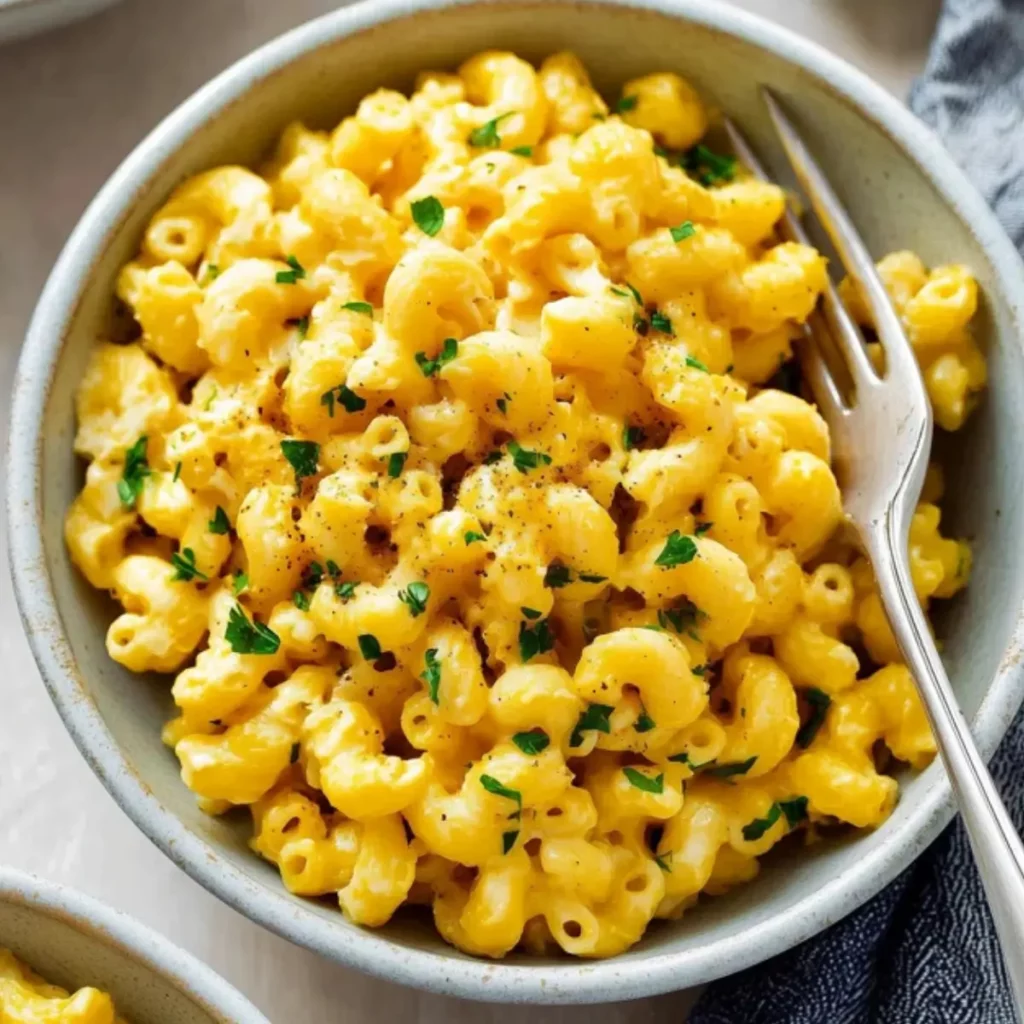
Table of Contents
The cozy magic of cottage cheese mac and cheese
What makes this cottage cheese mac and cheese so good is that it still feels like real mac and cheese. It doesn’t taste like a substitute. It tastes like the kind of stovetop pasta you make when you want dinner to be soft, warm, and generous. The sauce turns velvety on the stove, and once the shredded cheese goes in, it loosens and stretches just enough to coat the pasta without becoming heavy.
There’s also something oddly satisfying about the transformation. Cottage cheese on its own has that unmistakable curdy look, and then a quick blend turns it into a silky base that feels almost too easy. The smell shifts too. First it’s mild and creamy, then the garlic and paprika wake up, and finally the cheddar takes over and everything smells like the best part of a family dinner.
I’ve made this on weeknights when I was tired enough to nearly drain the pasta without saving my sanity, let alone my patience, and it still came together beautifully. That’s part of its charm. It feels comforting without asking much from you.
The ingredients that quietly do the heavy lifting
This cottage cheese mac and cheese keeps the ingredient list simple, but every part matters.
- Small-shaped pasta – Elbows are classic, but shells, fusilli, penne, and farfalle all work well because they catch little pockets of sauce.
- Cottage cheese – The heart of the recipe. Once blended, it gives the sauce body and creaminess without leaving visible curds behind.
- Milk – Helps the blended sauce loosen up so it cooks into a smooth, pourable base instead of something too thick from the start.
- Shredded cheddar cheese – This brings the recognizable mac and cheese flavor: savory, melty, and a little sharp.
- Butter – Adds richness and rounds everything out with that soft, comforting finish that makes the sauce feel complete.
- Cornstarch – A small addition, but important for thickening the sauce so it clings to the pasta properly.
- Sweet paprika – Gives the dish a subtle warmth and a gentle depth, plus a little color that makes the sauce look extra inviting.
- Garlic powder – Adds that savory background note that makes the whole pot smell better the second it starts warming up.
- Salt and black pepper – Essential for balance. The pepper especially wakes up the creamy sauce and keeps it from tasting flat.
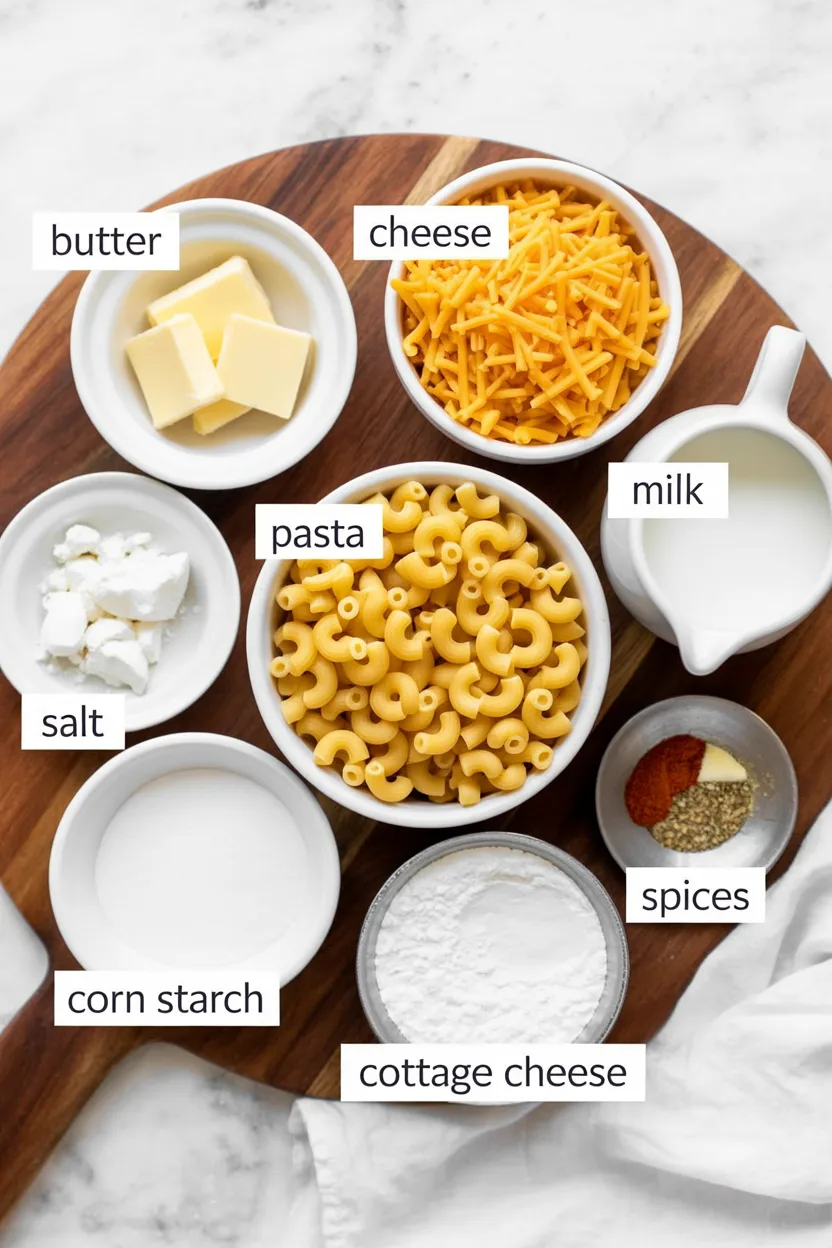
See the recipe card below for the full list of ingredients and measurements.
A smoother sauce starts before the pot even heats
The smartest thing you can do for cottage cheese mac and cheese is respect the pasta and the blender. That sounds dramatic, but it’s true.
Start by cooking your pasta just until al dente. Not soft, not fully relaxed, just that point where it still has a little bite. Pasta keeps cooking once it meets the warm sauce, so this small choice saves you from a mushy final bowl. After draining, a tiny drizzle of oil and a quick stir help keep the noodles from sticking together while you work on the sauce.
Then comes the part that changes everything: blending the cottage cheese with the milk, cornstarch, and seasonings until completely smooth. Don’t rush this. If there are still little bits floating around, keep going. You want a creamy, unified mixture that looks more like a pale cheese sauce base than cottage cheese. It’s the difference between “interesting idea” and “wait, this is actually fantastic.”
Why gentle heat matters here
Once the sauce goes into the pot, keep the heat moderate to low. This isn’t the time for aggressive bubbling. A hard boil can make a dairy-based sauce split, and nobody wants a grainy cheese situation after all that promise. Stir frequently and give it a minute to thicken slowly.
That gentle cooking is what gives cottage cheese mac and cheese its smooth texture. The sauce tightens up just enough, becomes glossy, and starts looking like it belongs with pasta.
Bringing the pot together, one creamy step at a time
This is the part where the kitchen starts smelling really good and people suddenly appear asking when dinner will be ready.
- Cook the pasta until just al dente. Drain it well, then toss it lightly so it doesn’t clump while you finish the sauce.
- Blend the sauce base until smooth. Cottage cheese, milk, cornstarch, and the seasonings should be fully creamy with no visible curds left behind.
- Warm the blended mixture in a large pot. Stir often over medium-low heat until it thickens gently. It should never boil hard.
- Add the cooked pasta, butter, and black pepper. Stir everything together and let it cook briefly over low heat so the sauce settles into the pasta.
- Turn off the heat and stir in the shredded cheddar. This helps the cheese melt smoothly without overcooking. In less than a minute, the sauce becomes glossy, stretchy, and wonderfully cheesy.
- Taste and adjust. A little more salt or pepper at the end can make the whole dish pop.
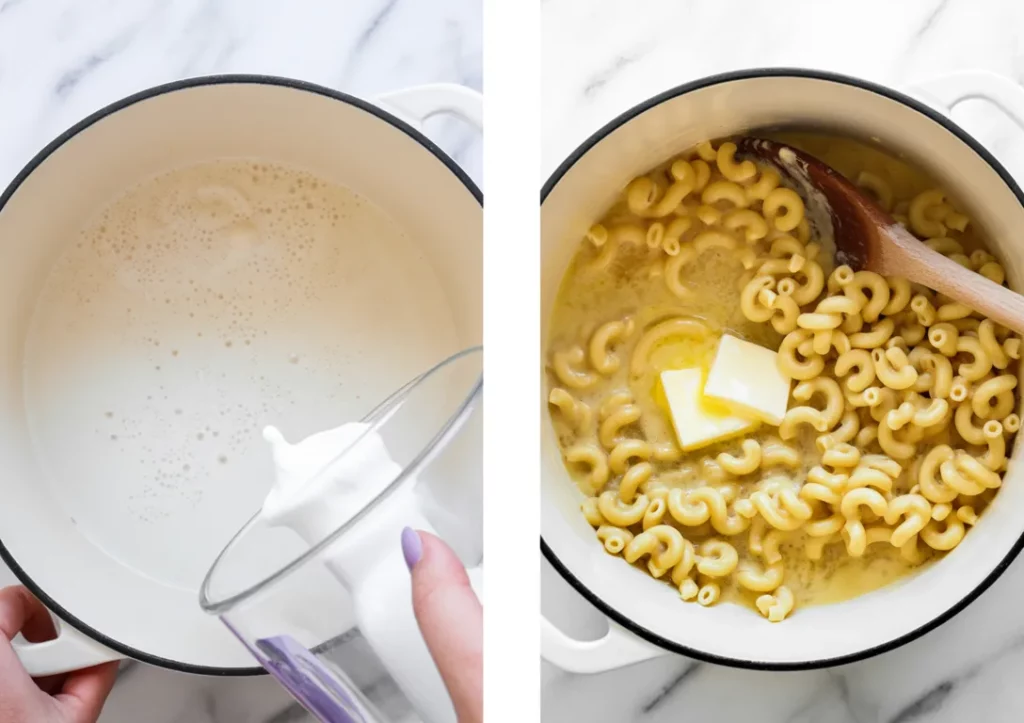
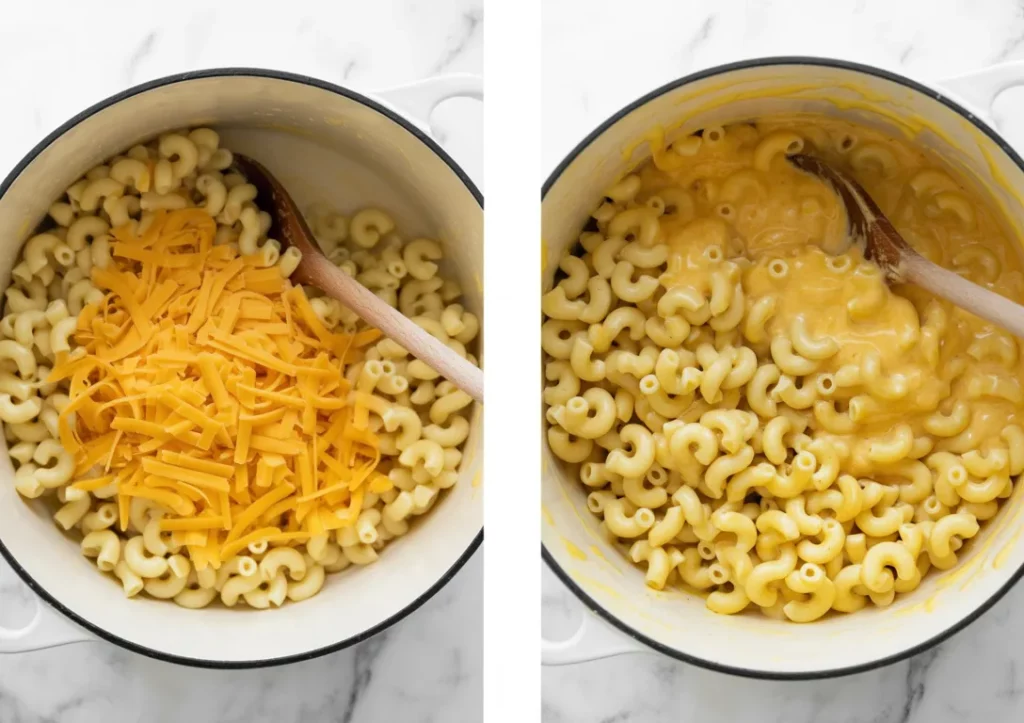
What I love about this method is how the texture changes with each step. The blended sauce looks simple at first, almost too plain, and then the butter and cheddar go in and suddenly it becomes proper mac and cheese. The pasta gets coated in this creamy, orange-tinted sauce that settles into every curve and fold. It’s the kind of dinner that asks to be eaten straight from the pot. I say that with experience.
Little tricks that make cottage cheese mac and cheese even better
There are a few small choices that make a noticeable difference here, and once you’ve made it once, they become second nature.
Use full-fat dairy if you can
This is one of those recipes where a little extra richness goes a long way. Full-fat cottage cheese and a richer milk help the sauce feel lush and smooth. Since the recipe keeps everything else fairly straightforward, the dairy has room to shine. It doesn’t feel heavy, just more complete.
Shred the cheese yourself
Bagged shredded cheese is convenient, but it often carries anti-caking powders that can keep the sauce from melting as smoothly. A block of cheddar grated fresh melts better and gives the final bowl that glossy finish that makes cottage cheese mac and cheese feel extra homemade.
Undercook the pasta slightly
This one matters more than people think. Pasta that’s cooked exactly to the edge before it hits the sauce can tip into softness fast. Pulling it just a touch early keeps the final texture in that perfect sweet spot.
Don’t overheat after the cheddar goes in
Once the shredded cheese has melted, you’re basically there. Too much extra heat can thicken the sauce more than you want or make it lose that silky quality. Stir, watch it melt, and serve while it’s hot and loose.
Easy ways to change it up without losing the soul of the dish
One of the nicest things about cottage cheese mac and cheese is how easy it is to tweak. The base is mellow and creamy, so it can handle bold add-ins or small twists without falling apart.
For a spicier version, stir in a spoonful of gochujang for a deeper, slightly sweet heat. It gives the sauce a really interesting edge and turns a familiar bowl into something with more attitude. If you like fresh heat instead, sauté chopped jalapeños until fragrant before adding the sauce base.
You can also swap the cheddar for another good melting cheese. Mozzarella makes it softer and stretchier. Gouda gives it a deeper, almost buttery note. Gruyère leans a little nuttier and more grown-up, though I still end up eating it curled up on the couch like a child.
Vegetables fit in well too. Quick-cooking options like peas, broccoli, or asparagus work best, especially if they’re blanched briefly with the pasta. Spinach and chopped artichokes turn it into something a little more dinner-party-ish, though still easy. A spoonful or two of pesto at the end brings freshness and a basil-heavy finish that plays nicely against the creamy sauce.
And if you’re in the mood for a baked version, this cottage cheese mac and cheese can absolutely go that route. Topped with buttery breadcrumbs, a little parmesan, and a dusting of paprika, it turns golden and crisp on top while staying soft underneath. It’s a different vibe, but still every bit as comforting.
Serving, storing, and reheating without losing the creaminess
This cottage cheese mac and cheese is best when it’s freshly made, right when the sauce is loose and glossy and still clinging to the pasta in silky ribbons. I like serving it while it’s piping hot, sometimes on its own and sometimes next to something green and simple if I’m pretending to be balanced.
Leftovers hold up surprisingly well. Once cooled, they can be tucked into a sealed container in the fridge for several days. The sauce thickens as it sits, which is normal, so don’t panic when it looks tighter the next day.
To reheat it on the stove, add a small splash of milk or water and warm it gently, stirring now and then until the sauce loosens back up. The microwave works too, especially if you pause halfway through and stir. Either way, low and steady is better than blasting it.
It also freezes well if you want to stash some away. Just thaw it in the fridge before reheating so the sauce comes back together more smoothly. The texture may be a touch softer after freezing, but it still delivers that creamy, cheesy comfort that makes cottage cheese mac and cheese worth making in the first place.
The best part about this bowl is the way it hits the table still steaming, with that creamy sauce settling into every curve of pasta and the cheddar leaving just a little stretch behind each bite. Cottage cheese mac and cheese manages to feel both cozy and surprisingly balanced, which is probably why I keep going back for one more forkful straight from the pot. It’s soft, savory, and deeply comforting in that simple, familiar way only mac and cheese can be. Serve it hot, with plenty of black pepper on top, and let everyone dig in while it’s at its glossiest.
FAQs about Cottage Cheese Mac and Cheese
Can I make cottage cheese mac and cheese ahead of time?
Yes, but it’s best when freshly made. If you need to make it ahead, store it in the fridge and reheat it gently with a splash of milk or water. That helps bring the sauce back to a smooth, creamy texture.
What pasta works best for cottage cheese mac and cheese?
Small pasta shapes work best because they hold onto the sauce well. Elbows, shells, fusilli, penne, and farfalle are all good choices. Try not to use very large or delicate pasta, since the sauce is meant to coat each piece evenly.
Can I freeze this mac and cheese?
Yes, you can freeze it for up to 3 months in a freezer-safe container. Let it cool first, then thaw it overnight in the fridge before reheating. The texture may soften a little, but the flavor stays rich and cheesy.
What can I serve with cottage cheese mac and cheese?
It pairs well with simple sides that add freshness or crunch. A crisp green salad, roasted broccoli, or peas work nicely. If you want something heartier, it also sits well next to grilled chicken or a tray of roasted vegetables.
More Relevant Recipes
- Cottage Cheese Alfredo: This is the closest match in style to cottage cheese mac and cheese because it uses cottage cheese to create a smooth, creamy, high-protein pasta sauce. It delivers the same lighter-but-still-comforting feel, with a silky texture and cozy cheese-forward flavor that makes it a natural next recipe to try.
- Guinness and Irish Chedddar Macaroni and Cheese Recipe: If you want another rich, cheesy pasta in the same comfort-food lane, this macaroni and cheese is a strong fit. It keeps that creamy stovetop mac-and-cheese vibe but adds sharp Irish cheddar and stout for a deeper, bolder flavor profile.
- Baked Feta Pasta: This recipe stays close to the original in spirit with its creamy, cheese-based pasta sauce and easy weeknight appeal. The flavor leans tangier and more Mediterranean thanks to feta and roasted tomatoes, but it still offers that same saucy, satisfying pasta experience.
Cottage Cheese Mac and Cheese Creamy

Cottage Cheese Mac and Cheese is a creamy, comforting pasta dinner with blended cottage cheese, cheddar, and simple pantry seasonings for a satisfying stovetop meal.
Ingredients
- 8 oz. small-shaped pasta of choice (use gluten-free if needed)
- ½ cup cottage cheese (4% fat)
- 1 cup milk of choice, either full-fat cow’s milk or dairy-free milk
- 2 teaspoon cornstarch
- ¼ teaspoon sweet paprika powder
- ¼ teaspoon garlic powder
- ½ teaspoon salt
- 2 tsp salted butter
- Freshly cracked black pepper, to taste
- 3.5 oz. shredded cheddar cheese or another cheese that melts well
Instructions
- Boil the pasta in salted water until al dente, following the package timing. Drain thoroughly, transfer it to a bowl, and toss with a little olive oil so the pieces stay separate. Set aside.
- Add the cottage cheese, milk, cornstarch, paprika, garlic powder, and salt to a blender or food processor. Process until the mixture is fully smooth and no curds remain, about 30 seconds.
- Pour the blended mixture into a large pot and warm it over medium-low heat, stirring often, until it begins to thicken. Keep it from boiling so the sauce stays smooth.
- Add the cooked pasta to the pot along with the butter and black pepper. Stir over low heat for 1 to 2 minutes, until the sauce coats the pasta and reaches the texture you like.
- Turn off the heat, then mix in the shredded cheddar. Stir for 30 seconds to 1 minute, until the cheese has melted completely.
- Taste and adjust with extra salt or black pepper if needed, then serve while hot.
Notes
- Let the leftovers cool completely, then refrigerate them in a sealed container for up to 5 days.
- For longer storage, freeze the cooled mac and cheese in a covered freezer-safe container for up to 3 months. Defrost it in the refrigerator overnight before reheating.
- To warm it on the stovetop, place it in a small saucepan with a splash of milk or water and heat over medium, stirring from time to time, for about 5 minutes or until heated through.
- For the microwave, transfer a portion to a microwave-safe bowl and heat for 1 to 3 minutes, stirring once halfway through, until hot.
Nutrition
- Serving Size: 1 serving
- Calories: 532kcal
- Sugar: 7.3g
- Sodium: 368mg
- Fat: 28.5g
- Saturated Fat: 10.2g
- Trans Fat: 0.6g
- Carbohydrates: 97.5g
- Fiber: 2.5g
- Protein: 24.1g
- Cholesterol: 53.8mg
Keywords: Cottage Cheese Mac and Cheese, high protein mac and cheese, creamy cheddar pasta, stovetop macaroni and cheese