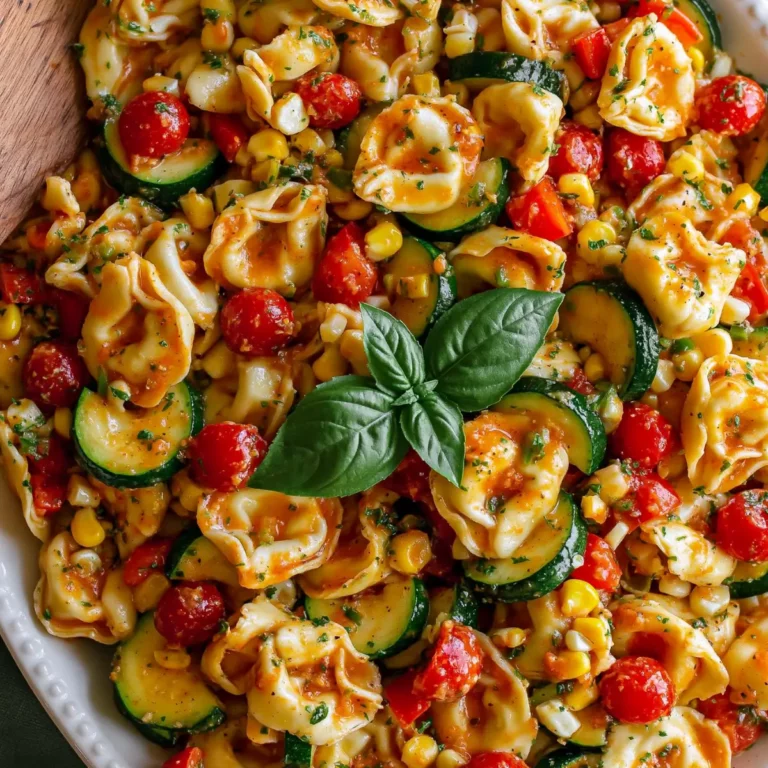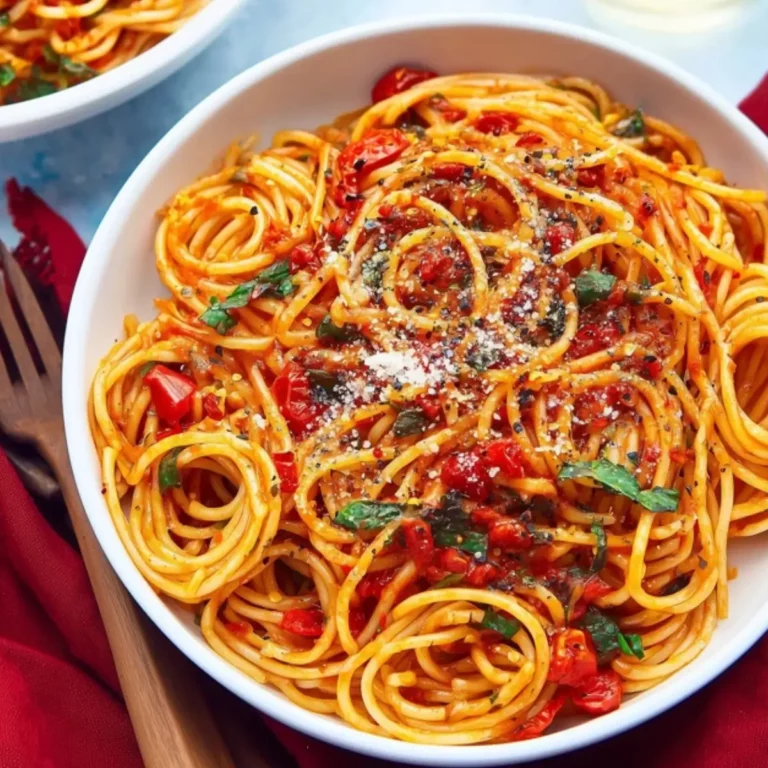
There’s something about a bowl of Pasta Pomodoro that feels almost nostalgic, even if you didn’t grow up in an Italian kitchen. The scent of garlic warming in olive oil, tomatoes slowly softening into a silky sauce, and fresh basil drifting through the kitchen—it’s the kind of meal that makes people wander into the kitchen asking, “Is it ready yet?”
I started making Pasta Pomodoro on nights when I wanted something comforting but didn’t want to fuss with complicated sauces or a sink full of dishes. And every time, I’m reminded why this tomato basil pasta has been beloved for generations. It’s humble food. Simple ingredients. But when everything comes together—the sweet tomatoes, the fragrant basil, the glossy strands of pasta—it tastes like something far more special than the effort required.
The magic of Pasta Pomodoro is that it relies entirely on good ingredients and a few smart techniques. Once you learn those little tricks, it becomes one of those recipes you can cook almost from memory.

Table of Contents
What Makes Pasta Pomodoro So Special
At its heart, Pasta Pomodoro is all about tomatoes. “Pomodoro” literally means tomato in Italian, and the dish celebrates them in their purest form. Unlike heavier tomato sauces, this one stays bright and fresh, letting the natural sweetness of tomatoes shine.
The sauce begins with olive oil and garlic—the classic Italian flavor base. As the tomatoes cook down, they release their juices and create a light but flavorful sauce that clings to the pasta.
Another thing that makes Pasta Pomodoro unique is the way the pasta finishes cooking directly in the sauce. This small step makes a huge difference. The starch from the pasta mixes with the tomatoes and olive oil, transforming the sauce into something slightly creamy and beautifully glossy.
And then there’s the basil. Fresh, green, aromatic basil leaves stirred in at the last minute add a burst of fragrance that ties everything together.
It’s simple cooking at its best.
The Ingredients That Build Real Pasta Pomodoro Flavor
A great Pasta Pomodoro recipe depends on a handful of everyday ingredients that work together beautifully. Each one contributes something essential to the final dish.
• Spaghetti (or other pasta) – Traditional Pasta Pomodoro uses spaghetti, but the sauce works wonderfully with many shapes. Long noodles like linguine or bucatini are classic choices, though penne or rigatoni can hold the sauce nicely too.
• Canned whole tomatoes – These create the base of the sauce. High-quality whole tomatoes, especially Italian-style varieties, tend to be naturally sweet and produce a thick, rich tomato sauce.
• Fresh cherry or plum tomatoes – Adding fresh tomatoes brings brightness and a little extra sweetness that balances the deeper flavor of canned tomatoes.
• Extra virgin olive oil – The backbone of the sauce. A generous drizzle gives the pasta a silky texture and adds fruity richness.
• Garlic – Just a couple cloves are enough to perfume the oil and give the sauce that unmistakable Italian aroma.
• Red pepper flakes – Optional, but a tiny pinch adds a gentle warmth that makes the tomato flavor pop.
• Fresh basil leaves – Torn or chopped and added near the end for a burst of herbal freshness.
• Salt and black pepper – Essential for seasoning both the pasta water and the sauce.
• Mozzarella balls (optional) – Small, creamy mozzarella pieces melt slightly into the pasta, making the dish extra comforting.
• Baby spinach (optional) – Adds color and freshness, and wilts beautifully into the warm pasta.
See the recipe card below for the full list of ingredients and measurements.
Cooking Pasta Pomodoro the Italian Way
Once you see how Pasta Pomodoro comes together, it’s the kind of recipe you’ll remember forever. The process is simple but thoughtful—every step builds flavor.
1. Start the Tomato Sauce
Begin by heating olive oil in a wide skillet or sauté pan. As soon as the oil warms, add garlic and a small pinch of red pepper flakes.
The moment garlic hits the oil, the kitchen fills with that unmistakable aroma—rich, savory, and slightly sweet. Let it cook briefly until fragrant but not browned.
Next, add halved fresh tomatoes. They’ll start releasing their juices almost immediately. Stir them gently and let them soften for a few minutes.
Then add the canned tomatoes. Break them apart with a spoon as they cook. This mixture slowly turns into a vibrant tomato sauce that’s both fresh and rich.
Let the sauce simmer while the pasta cooks.

2. Cook the Pasta
Bring a large pot of salted water to a boil and cook the pasta until it’s just slightly underdone. This step is important because the pasta will finish cooking in the sauce.
Before draining the pasta, scoop out some of the cooking water and set it aside. That cloudy water is liquid gold for pasta sauces.
Once drained, transfer the pasta straight into the pan with the tomato sauce.
3. Finish the Pasta in the Sauce
Now comes the trick that makes Pasta Pomodoro so good.
Toss the pasta with the sauce and let it cook together for a couple of minutes. As the pasta absorbs the tomato sauce, the starch released from the noodles thickens everything into a silky coating.
If the sauce looks too thick, splash in a little reserved pasta water. Stir gently until the pasta is perfectly tender and glossy.
Finally, add chopped basil leaves and give everything one last toss.

4. Add the Finishing Touches
Turn off the heat and stir in mozzarella balls or fresh spinach if you’re using them.
The spinach wilts instantly from the warmth of the pasta, and the mozzarella softens just enough to become creamy.
Serve the pasta with a drizzle of olive oil and a few extra basil leaves on top.
The Secret to a Creamy Tomato Sauce Without Cream
One of the most surprising things about Pasta Pomodoro is how creamy it tastes—even though there’s no cream involved.
The secret is pasta water.
When pasta cooks, it releases starch into the water. That starchy liquid acts like a natural thickener. When you mix it into the tomato sauce while tossing the pasta, it emulsifies with the olive oil and tomato juices.
The result is a smooth, velvety sauce that clings to every strand of pasta.
The first time I tried this technique, I accidentally added too much pasta water and thought I ruined dinner. But after a minute of tossing the pasta in the pan, the sauce magically tightened up and coated the noodles perfectly.
It’s one of those small kitchen tricks that makes you feel like a chef.
Easy Ways to Adapt This Pasta Pomodoro
Classic Pasta Pomodoro is beautifully simple, but it’s also incredibly flexible. Once you know the base recipe, you can tweak it depending on what you have in your kitchen.
Add Greens
Baby spinach is a favorite addition because it melts right into the pasta. Arugula also works well and adds a slightly peppery flavor.
Add Cheese
Fresh mozzarella is wonderful in this dish, but grated Parmesan or Pecorino adds a salty, nutty finish.
Try Different Pasta Shapes
Spaghetti is traditional, but this tomato basil sauce works just as well with:
- Linguine
- Bucatini
- Penne
- Rigatoni
- Whole wheat pasta
Each shape catches the sauce a little differently.
Adjust the Heat
If you like a bit of spice, increase the red pepper flakes or add a finely chopped chili. It turns Pasta Pomodoro into something closer to a spicy tomato pasta.
Serving Pasta Pomodoro Like an Italian Dinner
In many Italian homes, Pasta Pomodoro isn’t overloaded with toppings. The pasta itself is the star.
That said, a few simple additions can turn it into a complete meal.
A crisp green salad with a light vinaigrette pairs beautifully with the rich tomato sauce. Something bright and fresh balances the warmth of the pasta.
Crusty bread is another must. Italians have a word for using bread to wipe up leftover sauce from the plate—scarpetta. It’s basically the best part of the meal.
And if you’re cooking for friends or family, serve the pasta straight from the pan while it’s hot and glossy. Pasta Pomodoro waits for no one.
Storing and Reheating Leftover Pasta Pomodoro
If you happen to have leftovers—which isn’t always the case with Pasta Pomodoro—they store surprisingly well.
Keep the pasta in an airtight container in the refrigerator for a few days.
When reheating, a skillet works best. Add a small drizzle of olive oil and warm the pasta gently over medium heat, stirring occasionally. The sauce loosens up again and becomes glossy.
A microwave works too, though the stovetop tends to bring the sauce back to life a little better.
If the pasta seems dry, a splash of water or extra olive oil fixes it instantly.
A Dish With Nearly Two Centuries of History
Pasta Pomodoro might feel like modern comfort food, but it actually dates back to the early nineteenth century.
One of the earliest written recipes appeared in 1837, published by a chef from Naples. Even then, the idea was the same: cook pasta, toss it with tomatoes, garlic, oil, and seasoning.
Over the years, the recipe spread across Italy and eventually the world.
What’s fascinating is how little it has changed. Despite the countless variations of tomato pasta today, the essence of Pasta Pomodoro remains exactly what it has always been—a celebration of tomatoes, olive oil, garlic, and pasta cooked simply and well.
And honestly, that’s probably why it never goes out of style.
Conclusion
A bowl of Pasta Pomodoro has a way of making even an ordinary evening feel a little special. The bright tomato sauce, silky pasta, and fresh basil come together in the simplest, most comforting way. It’s the kind of meal that fills the kitchen with warm aromas and brings everyone to the table without being called twice. Twirl the pasta slowly, scoop up a bit of sauce with crusty bread, and enjoy every glossy, tomato-coated bite of this classic Pasta Pomodoro.
FAQs about Pasta Pomodoro
What is the difference between Pasta Pomodoro and marinara sauce?
Pasta Pomodoro typically uses fresh and canned tomatoes together, creating a lighter and fresher sauce that cooks quickly. Marinara sauce is often simmered longer and may include onions, herbs, or additional seasonings. Pomodoro sauce focuses on simple ingredients like garlic, olive oil, tomatoes, and basil.
Can I make Pasta Pomodoro ahead of time?
Yes, the tomato sauce for Pasta Pomodoro can be prepared a day or two in advance and stored in the refrigerator. When you’re ready to serve, simply cook the pasta and toss it with the reheated sauce. Finishing the pasta in the sauce right before serving helps maintain the best texture.
How should I store leftover Pasta Pomodoro?
Store leftover pasta in an airtight container in the refrigerator for up to three days. When reheating, warm it gently in a skillet with a small drizzle of olive oil or a splash of water. This helps loosen the sauce and bring back the glossy texture.
Can Pasta Pomodoro be frozen?
The tomato sauce freezes very well, but it’s best to freeze it separately from the pasta. Let the sauce cool completely, then store it in a freezer-safe container for up to three months. When ready to use, thaw the sauce, warm it in a pan, and cook fresh pasta to combine with it.
More Relevant Recipes
- Creamy Tomato Pasta Recipe: This creamy tomato pasta offers a richer twist on classic tomato-based dishes like Pasta Pomodoro. The sauce blends the bright flavor of tomatoes with a velvety texture, creating a comforting pasta dish that still highlights the familiar garlic, tomato, and herb combination found in traditional Italian-style pasta recipes.
- Baked Feta Pasta Recipe: Baked feta pasta brings together roasted tomatoes, creamy feta cheese, and tender pasta for a bold and savory meal. Much like Pasta Pomodoro, it celebrates simple ingredients and tomato-forward flavor, but the baked cheese adds a rich, tangy element that melts beautifully into the sauce.
- Stuffed Shells Recipe Easy Comfort Food: These stuffed pasta shells are filled with creamy cheese and baked in a hearty tomato sauce, delivering the same comforting tomato flavor that makes Pasta Pomodoro so beloved. It’s a cozy, oven-baked pasta dish that highlights classic Italian ingredients in a satisfying and family-friendly way.
Pasta Pomodoro

Pasta Pomodoro is a classic Italian-style dish where spaghetti is tossed in a fresh tomato and basil sauce, finished with olive oil for a simple yet flavorful meal.
- Prep Time: 5 minutes
- Cook Time: 15 minutes
- Total Time: 20 minutes
- Yield: 4 portions 1x
- Category: Main Course
- Method: Stovetop
- Cuisine: Italian
Ingredients
- 12 ounces spaghetti or another pasta shape
- 3 quarts water for boiling pasta
- 1½ tablespoons sea salt for pasta water
- 3 tablespoons extra virgin olive oil
- 2 cloves garlic, grated
- ¼ teaspoon red pepper flakes (adjust to taste)
- 10 ounces cherry tomatoes, halved
- 1 large can whole peeled tomatoes, preferably San Marzano
- 1 teaspoon salt, or more if needed
- ⅛ teaspoon black pepper
- 15 fresh basil leaves, chopped
- 1 cup small fresh mozzarella balls
- 2 cups baby spinach
Instructions
- Slice the cherry tomatoes in half and keep them nearby for the sauce.
- Warm the extra virgin olive oil in a large skillet or Dutch oven over medium heat. Add the grated garlic and red pepper flakes, cooking briefly until fragrant.
- Stir in the halved cherry tomatoes along with the salt and black pepper. Cook on medium-high heat for about 4 minutes until they begin to soften.
- Add the canned whole peeled tomatoes to the pan. Break them apart with a spoon as they cook and allow the mixture to gently simmer for about 15 minutes, stirring occasionally while the pasta cooks.
- Meanwhile, bring a large pot of water to a boil and add the sea salt. Cook the spaghetti according to package directions but stop about 3 minutes before it reaches full doneness.
- Before draining the pasta, reserve 1 cup of the pasta cooking liquid. Transfer the drained pasta directly into the tomato sauce.
- Add the chopped basil and toss the pasta with the sauce over medium heat for 2 to 3 minutes until the noodles are tender yet slightly firm.
- If the sauce becomes too thick, stir in small amounts of the reserved pasta water until the consistency looks glossy and lightly coated.
- Remove from heat and fold in the mozzarella balls and baby spinach so they soften slightly from the warmth of the pasta.
- Serve immediately with a drizzle of olive oil and extra basil if desired.
Notes
- High-quality canned tomatoes often create a sweeter, richer sauce. If the flavor tastes overly acidic, stir in 1 to 2 teaspoons of sugar to balance it.
- Finishing the pasta in the sauce helps the starch from the noodles blend with the tomatoes, giving the sauce a naturally creamy texture.
- This recipe works well with many pasta shapes such as linguine, bucatini, penne, or rigatoni.
- Leftovers can be stored in a sealed container in the refrigerator for up to 3 days and reheated gently in a skillet with a little olive oil.
Nutrition
- Serving Size: 1 large portion
- Calories: 689 kcal
- Sugar: 10 g
- Sodium: 1420 mg
- Fat: 26 g
- Saturated Fat: 10 g
- Unsaturated Fat: 14 g
- Trans Fat: 0 g
- Carbohydrates: 81 g
- Fiber: 7 g
- Protein: 35 g
- Cholesterol: 54 mg
Keywords: pasta pomodoro, tomato basil pasta, italian tomato pasta, spaghetti pomodoro, easy tomato sauce pasta