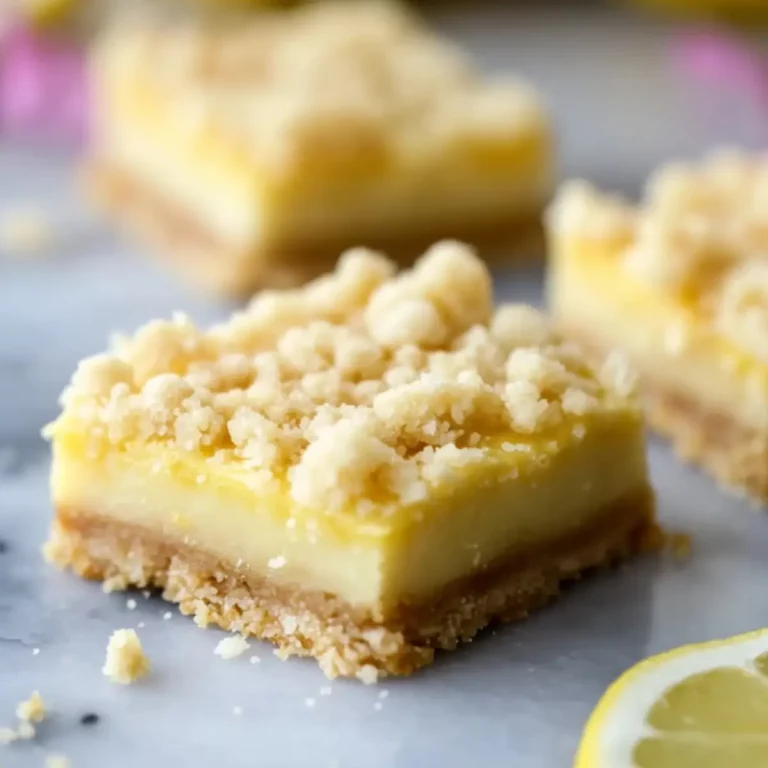
There’s something about the smell of citrus baking in the oven that instantly makes a kitchen feel alive. The first time I made this Portuguese Orange Cake, the entire house filled with that bright, sunny aroma of fresh oranges and warm butter. It’s the kind of scent that pulls people into the kitchen asking, “What are you making?”
This cake is wonderfully simple but surprisingly elegant. It has the lightness of a sponge cake thanks to fluffy whipped egg whites, yet it stays incredibly moist from plenty of fresh orange juice. And the zest—don’t skip that part. It’s what gives this Portuguese Orange Cake its signature bold citrus flavor that lingers with every bite.
The texture sits somewhere between airy and tender. Slice into it and you’ll see a soft, delicate crumb that feels almost cloud-like, but rich enough to satisfy a serious dessert craving. It’s the kind of cake you make once and suddenly find yourself craving again the following weekend.

Table of Contents
What Makes Portuguese Orange Cake So Special
Portuguese baking often celebrates simple ingredients used in smart ways, and this Portuguese Orange Cake is a perfect example of that philosophy.
The magic here comes from using the entire orange experience—both juice and zest. That means the cake doesn’t just taste lightly citrusy. It tastes unmistakably orange, bright and fragrant with just a hint of that subtle bitterness from the zest that keeps it from being overly sweet.
Another distinctive element is the technique of folding whipped egg whites into the batter. If you’ve ever made sponge cake, you’ll recognize the method. The whipped whites add air and structure, giving the cake a delicate lift. But unlike classic sponge cakes that can feel dry, this one stays moist for days.
I also love that this Portuguese Orange Cake doesn’t require complicated decorating. A simple dusting of powdered sugar is often all it needs. It looks rustic, beautiful, and inviting—the kind of dessert you’d happily serve with afternoon coffee or after a relaxed family dinner.
The Ingredients That Give This Cake Its Bright Flavor
This Portuguese Orange Cake keeps things refreshingly straightforward. Each ingredient plays a clear role in building the flavor and texture.
• Butter – brings richness and tenderness to the cake while helping create that soft, melt-in-your-mouth crumb.
• Granulated sugar – sweetens the cake and helps aerate the butter during mixing, which contributes to a light texture.
• Eggs – the yolks add richness while the whipped whites give the cake its airy structure.
• Fresh oranges – both the zest and juice are used, giving the cake its vibrant citrus flavor and natural moisture.
• All-purpose flour – provides structure while still keeping the crumb soft and delicate.
• Baking powder – helps the cake rise and supports the lift from the whipped egg whites.
• Confectioners’ sugar – often sprinkled over the cooled cake for a simple, elegant finish.
See the recipe card below for the full list of ingredients and measurements.
Bringing a Portuguese Orange Cake Batter Together
The process of making this cake feels almost therapeutic. It’s one of those recipes where each step builds anticipation for the next.
1. Start with a fluffy butter base
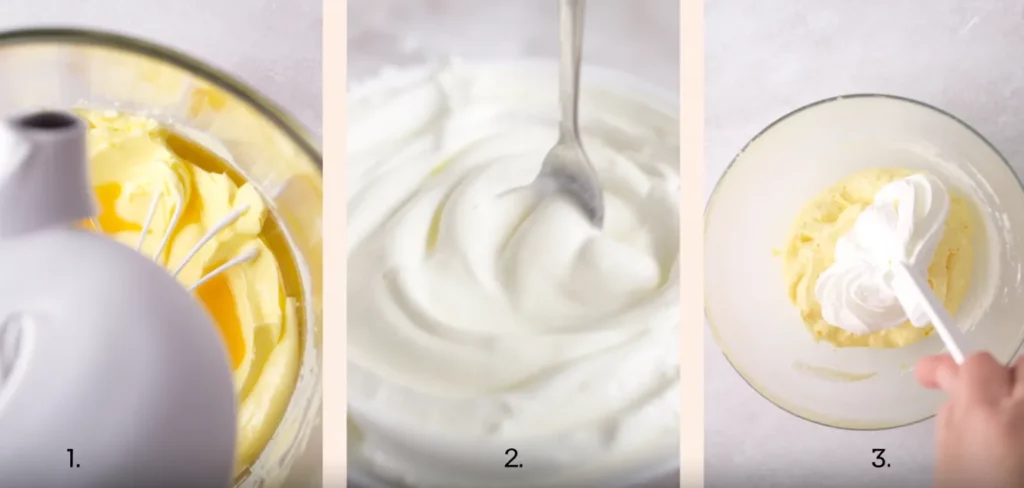
Begin by creaming softened butter and sugar together until the mixture turns pale and fluffy. This step matters more than people think. Those tiny air pockets you create now will help give the Portuguese Orange Cake its soft structure later.
If your butter isn’t quite soft enough, you’ll notice the mixture looks a bit grainy instead of creamy. I’ve made that mistake before—impatient baker energy—and the cake still turned out fine, but the texture is noticeably better when you give this step a full couple of minutes.
2. Add richness and citrus
Egg yolks go in next, one at a time. Each addition deepens the batter’s color and richness.
Then comes the real star moment: fresh orange zest and juice. As soon as they hit the bowl, the batter becomes intensely fragrant. It might look slightly curdled at first, but don’t panic. Keep mixing and it will come together smoothly.
3. Mix in the dry ingredients
Flour and baking powder are incorporated next. At this stage, it’s important not to overmix. Just blend until the batter looks smooth and combined.
Overworking the batter can toughen the cake slightly, and the goal here is a soft, delicate crumb.
The Secret to the Fluffy Texture
This Portuguese Orange Cake gets its signature lightness from whipped egg whites folded into the batter. It’s a simple step that makes a big difference.
In a separate bowl, the egg whites are beaten until stiff peaks form. When you lift the beaters, the whites should hold their shape.
First, fold a small portion of those whites into the batter to loosen it. This step makes it easier to incorporate the rest without deflating them.
Then gently fold in the remaining whites with a spatula. Use slow, sweeping motions from the bottom of the bowl upward. The batter will become lighter and slightly airy, almost like mousse.
I once rushed this step and stirred too aggressively. The cake still tasted great, but it was noticeably denser. Lesson learned: gentle folding really matters.
Baking the Portuguese Orange Cake to Perfection
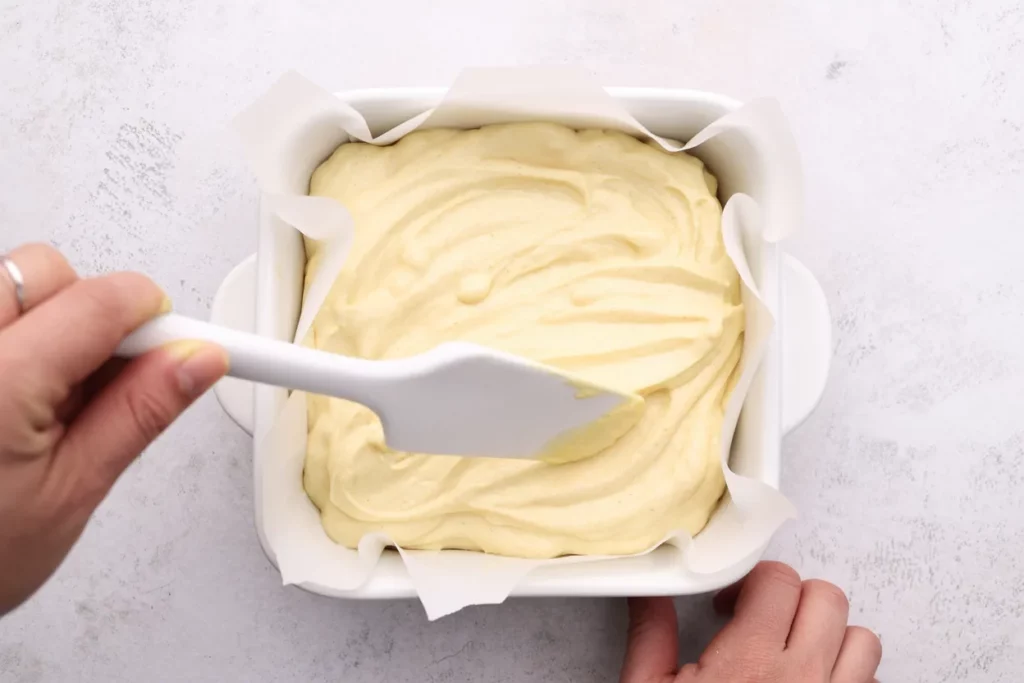
Once the batter is ready, it gets poured into a prepared baking dish and spread evenly.
As the cake bakes, something magical happens. The kitchen fills with the sweet scent of citrus and butter, and the top slowly turns golden with a delicate crackled surface.
Around the later stages of baking, the cake will feel lightly springy when pressed in the center. A toothpick inserted into the middle should come out clean or with just a few moist crumbs.
When it comes out of the oven, patience is key. Let the Portuguese Orange Cake cool in the pan before slicing. Cutting too soon can cause the soft crumb to tear.
Once cooled, a gentle snowfall of powdered sugar across the top adds a touch of sweetness and makes the cake look effortlessly beautiful.
Serving Ideas That Make This Cake Shine
This Portuguese Orange Cake is wonderful on its own, but a few simple additions can make it feel extra special.
Keep it simple with powdered sugar
The classic approach is just a light dusting of confectioners’ sugar. It highlights the cake’s rustic charm and lets the bright orange flavor take center stage.
Add something creamy
A dollop of softly whipped cream or a spoonful of mascarpone pairs beautifully with the citrus notes. The creaminess balances the brightness of the oranges.
Sometimes I’ll serve it with vanilla ice cream, especially when the cake is slightly warm. The contrast of warm cake and melting ice cream is hard to beat.
Turn it into a layer cake
Although traditionally baked in a single pan, the batter can be divided between round cake pans to create layers. Sandwiched with whipped cream or a light vanilla frosting, the Portuguese Orange Cake transforms into an elegant celebration dessert.
The citrus flavor keeps the cake from feeling too heavy, even with frosting.
Smart Tips for the Best Portuguese Orange Cake
A few small details make this cake even better.
Use room temperature ingredients
Cold eggs or oranges can cause the butter mixture to seize up slightly. Allowing everything to come to room temperature helps the batter blend smoothly.
Don’t hold back on the zest
The zest carries the essential oils from the orange peel, which means more flavor. It adds a slight bitterness that balances the sweetness of the cake.
Watch the baking time carefully
Overbaking can dry the cake slightly. Start checking for doneness toward the earlier end of the baking window.
A properly baked Portuguese Orange Cake should feel soft and springy with a tender crumb inside.
Storing and Freezing Portuguese Orange Cake
One of the nicest surprises about this cake is how well it keeps.
Keeping it fresh on the counter
Stored in an airtight container at room temperature, the Portuguese Orange Cake stays moist for several days. In fact, the orange flavor often deepens slightly by the next day.
Freezing for later
This cake freezes beautifully. Wrap individual slices or the whole cake tightly in plastic wrap and then foil. When you’re ready to enjoy it again, thaw it slowly so the crumb stays tender.
A quick refresh before serving
If you want that just-baked feel, warm a slice briefly before serving and add a fresh dusting of powdered sugar.
The citrus aroma comes right back to life, almost like the cake just came out of the oven.
Conclusion
A slice of Portuguese Orange Cake feels like sunshine on a plate—soft, fragrant, and bursting with real citrus flavor. The crumb stays tender, the aroma of orange zest lingers in the air, and each bite balances sweetness with that gentle citrus brightness. It’s the kind of cake that disappears quickly at the table, whether served with coffee in the afternoon or as a light dessert after dinner. Try it slightly warm with a spoonful of whipped cream or a scoop of vanilla ice cream. That simple moment is exactly where this Portuguese Orange Cake shines.
FAQs about Portuguese Orange Cake
Can I freeze Portuguese Orange Cake?
Yes, Portuguese Orange Cake freezes very well. Once the cake has cooled completely, wrap it tightly in plastic wrap and then in foil to protect it from freezer burn. It can be stored in the freezer for up to three months. Thaw it slowly at room temperature to keep the crumb soft and moist.
How should Portuguese Orange Cake be stored?
Store Portuguese Orange Cake in an airtight container at room temperature. It stays fresh and moist for about three days on the counter. Refrigeration isn’t usually recommended because it can dry out the crumb. If your kitchen runs warm, keep it well covered to maintain its texture.
Can I use bottled orange juice instead of fresh oranges?
Fresh oranges are strongly recommended because they provide both juice and aromatic zest. The zest is especially important since it contains the essential oils that give Portuguese Orange Cake its bold citrus flavor. Bottled juice can work in a pinch, but the overall flavor will be milder. Whenever possible, fresh oranges make a noticeable difference.
What toppings go well with Portuguese Orange Cake?
Portuguese Orange Cake pairs beautifully with simple toppings that don’t overpower the citrus flavor. A light dusting of powdered sugar is the traditional choice and keeps the presentation elegant. Whipped cream, mascarpone, or a scoop of vanilla ice cream also complement the bright orange notes. Some people even enjoy it with a drizzle of orange glaze for extra citrus intensity.
More Relevant Recipes
- Mandarin Orange Pound Cake: This moist mandarin orange pound cake delivers a vibrant citrus flavor that closely mirrors the bright, fruity character of Portuguese Orange Cake. Made with juicy mandarin oranges, it offers a tender crumb and rich buttery base that creates a similar balance of sweetness and citrus aroma. It’s an excellent choice for anyone who loves soft citrus cakes that pair beautifully with coffee or a light dusting of powdered sugar.
- Mandarin Cake (Moist & Citrusy Recipe): Packed with fresh mandarin flavor, this cake highlights the same citrus-forward profile that makes Portuguese Orange Cake so appealing. The texture is soft and fluffy, while the natural orange notes create a refreshing dessert that feels light yet satisfying. If you enjoy cakes that showcase bright citrus zest and juice, this recipe offers a similarly fragrant and cheerful baking experience.
- Lemon Blueberry Cake (Moist, Fresh & Easy): Although it swaps oranges for lemon and berries, this cake shares the same light, tender crumb and refreshing citrus flavor profile found in Portuguese Orange Cake. The combination of tangy lemon and sweet blueberries creates a balanced dessert that feels equally bright and aromatic. It’s a wonderful variation for citrus dessert lovers who appreciate moist cakes with vibrant fruit flavors.
Portuguese Orange Cake

This Portuguese Orange Cake is a soft, citrus-filled dessert made with fresh orange zest and juice, creating a moist crumb and bright flavor in every slice.
- Prep Time: 15 minutes
- Cook Time: 35–45 minutes
- Total Time: 50–60 minutes
- Yield: 9 pieces 1x
- Category: Dessert
- Method: Baking
- Cuisine: Portuguese
Ingredients
- ⅔ cup butter, softened
- 1 ¼ cups granulated sugar
- 4 large eggs, separated and at room temperature
- 3 large oranges, at room temperature
- 2 cups all purpose flour
- 1 tsp baking powder
- Confectioners’ sugar, for dusting (optional)
Instructions
- Preheat the oven to 350°F (180°C). Lightly grease an 8×8-inch baking dish or line it with parchment to prevent sticking.
- Place the softened butter and granulated sugar in a mixing bowl. Beat together with an electric mixer on medium speed for about 2 minutes until the mixture looks pale and fluffy.
- Add the egg yolks one at a time, mixing thoroughly after each addition to create a smooth batter.
- Zest all three oranges and squeeze their juice. With the mixer running on low speed, blend the zest and juice into the batter. The mixture may look slightly curdled at first, which is normal. Continue mixing until it smooths out.
- In a separate bowl, stir together the all purpose flour and baking powder. Gradually add this dry mixture to the batter while mixing on low speed until just combined.
- In another bowl, whip the egg whites until stiff peaks develop.
- Add roughly one third of the whipped egg whites to the batter and fold gently to lighten the mixture. Carefully fold in the remaining egg whites using a spatula to maintain as much air as possible.
- Transfer the batter into the prepared baking dish and spread it evenly.
- Bake for 35–45 minutes, until the top springs back lightly when pressed and a tester inserted into the center comes out clean or with only a few moist crumbs.
- Allow the cake to cool in the pan set on a wire rack. Once cooled, dust with confectioners’ sugar if desired before slicing.
Notes
- Three large oranges typically provide about 3–4 tablespoons of zest and close to 1 cup of juice, making this recipe quite forgiving.
- Keep all ingredients at room temperature so the butter blends smoothly and the batter stays cohesive.
- The cake can be served plain, topped with whipped cream, or paired with a scoop of vanilla ice cream.
- Store the cake in an airtight container at room temperature for up to 3 days.
- For longer storage, wrap tightly and freeze for up to 3 months, then thaw before serving.
Nutrition
- Serving Size: 1 piece
- Calories: 382 kcal
- Sugar: 32 g
- Sodium: 185 mg
- Fat: 16 g
- Saturated Fat: 9 g
- Unsaturated Fat: 5 g
- Trans Fat: 1 g
- Carbohydrates: 55 g
- Fiber: 2 g
- Protein: 6 g
- Cholesterol: 109 mg
Keywords: Portuguese Orange Cake, citrus cake, orange sponge cake, moist orange cake, orange dessert