There’s something about a bubbling pot of Rhubarb and Ginger Jam that feels a little nostalgic and a little rebellious at the same time. The tartness of rhubarb hits you first—sharp, almost cheeky—then the ginger sneaks in with this warm, slow heat that lingers just enough to make you go back for another spoonful. The first time I made this, I kept “taste-testing” until I realized I’d eaten far more than intended… straight from the pan, no toast involved.
What makes this version special is how simple it is—no pectin, no complicated steps, just real ingredients doing exactly what they’re supposed to do.
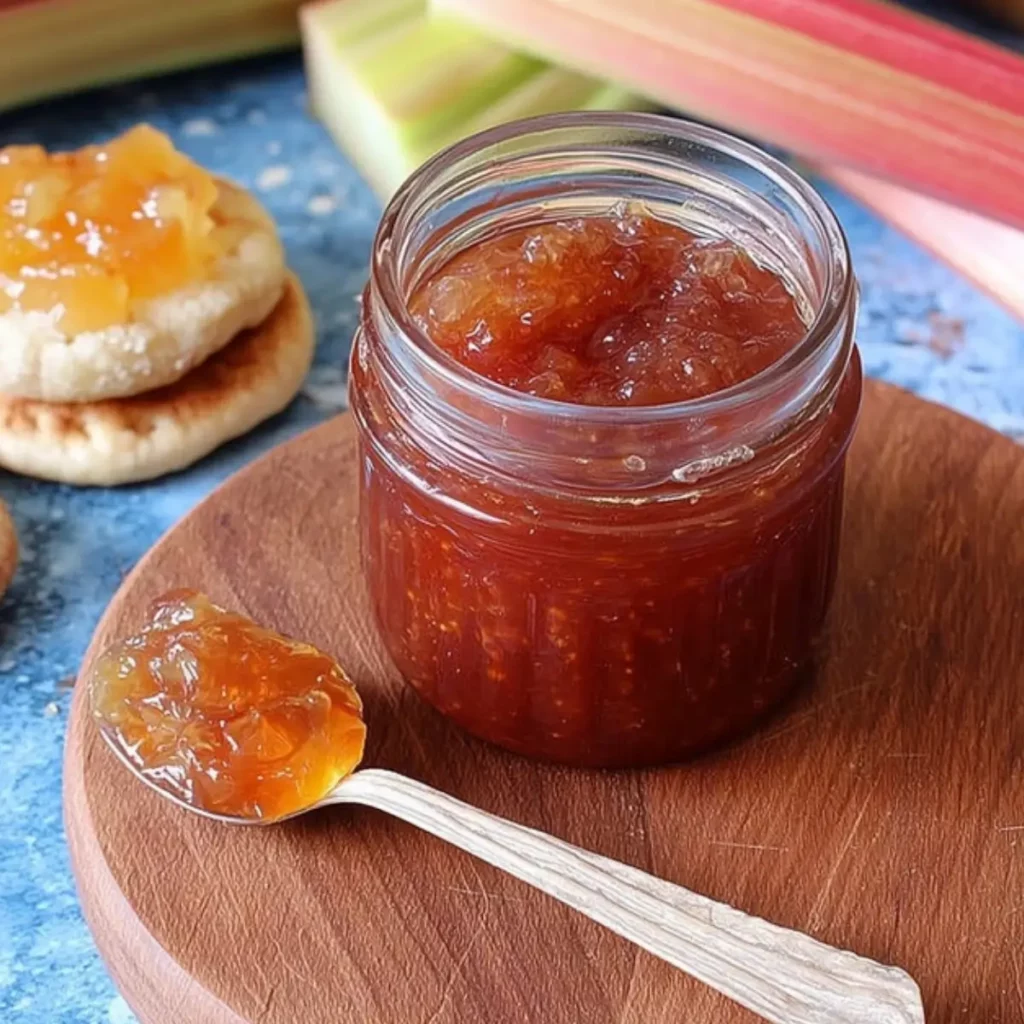
Table of Contents
The sweet-tart magic behind Rhubarb and Ginger Jam
Rhubarb on its own can be a bit intense. It’s bright, sour, and unapologetically bold. But once you pair it with ginger, especially that sticky, sweet crystallized kind, something shifts. The sharp edges soften. The flavor rounds out into something deeper, warmer, almost comforting.
This Rhubarb and Ginger Jam has a slightly softer set than some traditional jams, which honestly I prefer—it spreads beautifully and melts into warm toast like it belongs there. And because there’s no added pectin, the texture feels more natural, less rigid, more homemade in the best possible way.
Ingredients that give this jam its personality
You don’t need much to make this jam, but each ingredient plays a very specific role. It’s one of those recipes where simplicity actually demands good choices.
- Rhubarb – the star of the show, bringing that signature tangy bite and vibrant color. Thinner stalks tend to be sweeter and more tender.
- Crystallized stem ginger – adds warmth and a gentle spice, plus a bit of chew that melts into the jam as it cooks.
- Granulated sugar – balances the tartness and helps the jam set naturally without pectin.
- Fresh lemon juice – brightens everything and helps the jam reach the right consistency.
See the recipe card below for the full list of ingredients and measurements.
Letting the flavors mingle before the heat hits
This step might seem small, but it completely changes the outcome of your Rhubarb and Ginger Jam.
Why resting the fruit matters
Once the rhubarb is chopped and combined with sugar, ginger, and lemon juice, it needs time to sit. A couple of hours is enough for the sugar to start drawing out the juices from the rhubarb.
When I first skipped this step (impatience got the better of me), I ended up with uneven cooking and a slightly grainy texture. Letting everything rest gives you a head start—the fruit softens, the sugar begins dissolving, and the ginger infuses its flavor before the stove even comes into play.
It’s quiet work, but important.
Cooking Rhubarb and Ginger Jam without pectin
Once everything’s had time to rest, the real transformation begins.
Building flavor slowly, then boiling fast
- Transfer the fruit mixture into a saucepan and place it over low heat.
- Stir gently as it warms, allowing the sugar to dissolve completely. You’ll notice the mixture go from gritty to smooth—that’s your cue.
- Increase the heat and bring it to a rolling boil.
- Let it bubble away for several minutes, stirring regularly so nothing sticks or scorches.
There’s a moment where the color deepens slightly and the bubbles get thicker, almost glossy. That’s when you know you’re close.
The saucer test (and why I still use it)
Forget fancy tools—this old-school trick works every time.
Drop a little jam onto a chilled saucer, wait a few seconds, then push it gently with your finger. If it wrinkles slightly and feels tacky, it’s ready. If it slides like syrup, give it another minute or two.
I’ve definitely overcooked it once while second-guessing myself, so now I trust the first good wrinkle I see.
Getting the texture just right
The beauty of this Rhubarb and Ginger Jam is that it doesn’t aim for a stiff, jelly-like set. Instead, it lands somewhere softer, more spoonable.
What to expect from a no-pectin jam
Without added pectin, the set depends on the natural pectin in the fruit, the sugar, and the cooking time. Rhubarb isn’t naturally high in pectin, so the lemon juice helps give it that little boost.
The result is:
- A gentle, spreadable consistency
- A glossy finish
- Pieces of rhubarb that break down but still give the jam body
It’s the kind of jam that slowly drips off a spoon rather than holding its shape rigidly—and honestly, that’s part of its charm.
Serving ideas and little indulgences
This is where things get a bit dangerous. Once the jar is open, it doesn’t last long.
My favorite ways to enjoy Rhubarb and Ginger Jam
- Spread thickly over warm scones with a generous layer of cream
- Swirled into plain yogurt for a quick breakfast upgrade
- Dolloped onto porridge where it melts into sweet, gingery ribbons
- Paired with toast and butter—the classic, and still unbeatable
There was one morning I added it to a grilled cheese (don’t ask, I was experimenting), and surprisingly, the sweet-spicy combo with melted cheese actually worked.
Storing and keeping it fresh
Once sealed in sterilized jars, this jam keeps well in a cool, dark place. The flavor is at its best within the first year, when the rhubarb still holds that vibrant color and the ginger hasn’t mellowed too much.
After opening, keep it in the fridge and use it up within a few weeks—though realistically, it won’t last that long.
The rhythm of making Rhubarb and Ginger Jam—chopping, waiting, stirring, testing—has a way of slowing everything down. And then suddenly, you’ve got this jar of something bright, warm, and just a little bit addictive sitting on your counter, ready to sneak into just about anything.
A final spoonful worth savoring
By the time the jars cool and that first spoonful hits warm toast, this Rhubarb and Ginger Jam feels like something far more special than its simple ingredients suggest. It’s bright, a little fiery, and just sweet enough to keep you coming back for another taste. The aroma alone—tangy fruit with that soft ginger warmth—lingers in the kitchen long after you’ve finished. I like it best early in the morning, when everything’s quiet and a thick layer melts slowly into buttered bread.
FAQs about Rhubarb and Ginger Jam
Can you freeze Rhubarb and Ginger Jam?
Yes, this jam freezes well. Let it cool completely, then transfer it into freezer-safe containers, leaving a little space for expansion. When you’re ready to use it, thaw it overnight in the fridge and give it a good stir before serving.
How long does Rhubarb and Ginger Jam last once opened?
After opening, keep the jam in the refrigerator. It typically stays fresh for a few weeks if stored properly with a clean spoon each time. If you notice any off smells or mold, it’s best to discard it.
Can I use fresh ginger instead of crystallized ginger?
You can, but the flavor will be sharper and less sweet. Crystallized ginger adds both warmth and a subtle sweetness that balances the rhubarb. If using fresh ginger, consider adding a touch more sugar to keep the flavor balanced.
Why didn’t my Rhubarb and Ginger Jam set properly?
A softer set is normal for this recipe since there’s no added pectin. However, if it’s too runny, it may need a bit more boiling time. You can return it to the pan and simmer a little longer, then test again using the chilled saucer method.
More Relevant Recipes
- Strawberry Rhubarb Chia Jam: This naturally sweetened jam blends the tart brightness of rhubarb with juicy strawberries, creating a flavor profile very close to Rhubarb and Ginger Jam but with a softer, fruitier finish. The chia seeds add a gentle texture while keeping things simple and wholesome, making it a lovely alternative spread for toast, yogurt, or pastries.
- Vegan Lemon Curd: Bright, tangy, and silky smooth, this lemon curd delivers the same sharp citrus notes that balance Rhubarb and Ginger Jam. Its creamy consistency contrasts beautifully with baked goods, offering a similarly vibrant spread that wakes up your taste buds with every bite.
- Blueberry Chia Seed Jam: This jam leans into deep berry sweetness while still offering a lightly tart edge, much like Rhubarb and Ginger Jam. The chia seeds help create a thick, spoonable texture without pectin, making it an easy, flavorful option that pairs well with toast, oatmeal, or desserts.
Rhubarb and Ginger Jam
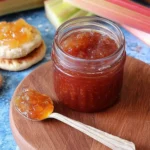
This Rhubarb and Ginger Jam blends tart rhubarb with warm, sweet ginger for a vibrant homemade preserve without added pectin.
- Prep Time: 6 minutes
- Cook Time: 12 minutes
- Total Time: 18 minutes
- Yield: 1 400 ml jar 1x
- Category: Teatime
- Method: Boiling
- Cuisine: British
Ingredients
- 400 g rhubarb, trimmed and cut into small even pieces
- 30 g crystallised stem ginger, finely chopped
- 400 g granulated sugar
- 2 tbsp freshly squeezed lemon juice
Instructions
- Rinse and dry the rhubarb, then slice into evenly sized chunks.
- Place the rhubarb into a bowl and mix with the chopped crystallised ginger, sugar, and lemon juice.
- Cover and leave the mixture to sit for 2–3 hours, allowing the fruit to release its natural juices.
- Transfer everything to a saucepan and warm gently, stirring until the sugar has completely dissolved.
- Increase the heat and bring the mixture to a steady boil, stirring regularly to prevent sticking.
- Continue boiling for about 6 minutes, then remove from heat and test for setting using a chilled plate.
- If needed, return to the heat and boil for an additional 2 minutes, then test again until the jam reaches the desired consistency.
- Pour the hot jam into sterilised jars, seal immediately, and allow to cool fully before storing.
Notes
- Use thinner rhubarb stalks if possible, as they tend to be sweeter and more tender.
- The jam will have a softer set due to the absence of added pectin.
- To check readiness, place a small amount on a cold saucer—if it wrinkles when pushed, it’s ready.
- Sterilise jars by washing thoroughly, filling with boiling water, then drying in a low oven before use.
Keywords: Rhubarb and Ginger Jam, homemade jam, no pectin jam, rhubarb preserve, ginger jam