There’s something quietly magical about making rhubarb jam without pectin. No packets, no shortcuts—just fruit, sugar, and time doing their slow dance on the stove. The first time I tried it, I remember hovering over the pot like I was waiting for a secret to reveal itself. And honestly? It kind of did.
The scent alone is worth it. Tart, almost sharp at first, then mellowed by sugar and softened with a whisper of ginger. It fills the kitchen in a way that feels… nostalgic, even if you’ve never made jam before. Funny how that works.
And the texture—oh, it’s not that stiff, overly set kind. It’s softer. A little loose, but in the best possible way. It drapes over toast instead of sitting stiffly on top. I didn’t expect to prefer that, but now I do.
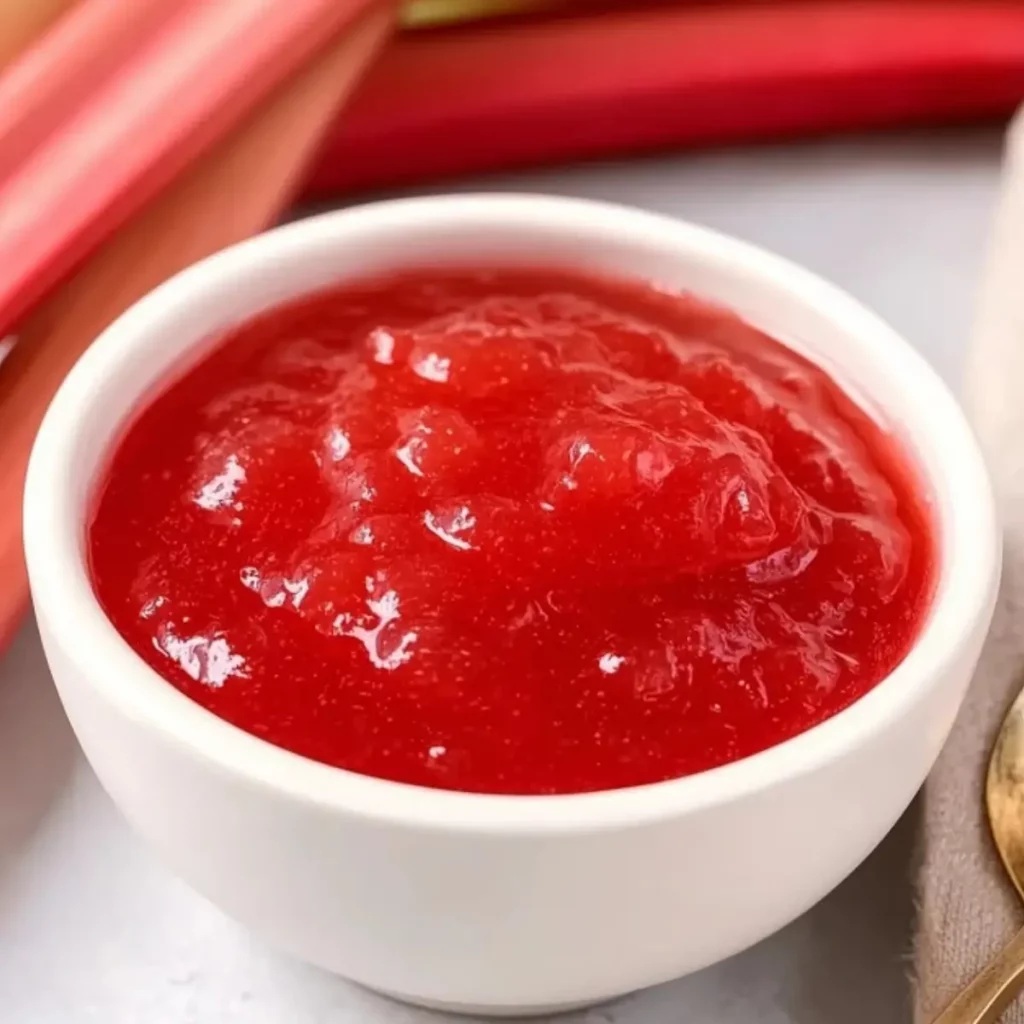
Table of Contents
The Slow Charm of Rhubarb Jam Without Pectin
Making rhubarb jam without pectin feels a bit like cooking the old-fashioned way—because it is. No artificial thickening. Just patience and a bit of trust in the process.
Rhubarb naturally contains some pectin, but not enough to rush things. So instead, you coax it out. You let the sugar pull the juices from the fruit overnight, creating this jewel-toned syrup that already smells like something halfway to jam.
And when it cooks down? That’s when things get interesting. The bubbles change. The sound deepens. It’s subtle, but if you’re paying attention, you’ll notice.
Ingredients That Quietly Do All the Work
This recipe keeps things refreshingly simple, but each ingredient plays a surprisingly important role.
- Fresh rhubarb – the star, obviously; tart, slightly grassy, and beautifully pink when cooked down
- Granulated sugar – not just for sweetness, but for structure and preservation too
- Fresh ginger – adds a gentle warmth that sneaks in at the end of each bite
- Lemon juice – brightens everything and helps the jam set naturally
See the recipe card below for the full list of ingredients and measurements.
Letting Time Do Its Thing: The Preparation Ritual
Macerating the Fruit (Don’t Skip This)
Start by tossing your chopped rhubarb with sugar—and if you’re using ginger, add it here too. Then just… leave it.
Overnight is ideal. It feels like a long wait, but it’s not wasted time. By morning, the sugar has drawn out the rhubarb’s juices, creating a syrup that’s almost shockingly pink. It’s one of those small kitchen moments that feels oddly satisfying.
If you peek early, it won’t hurt. I always do.
Cooking Rhubarb Jam Without Pectin, Step by Step
- Transfer the mixture to a saucepan
Pour everything—juice and all—into a wide pan. The wider, the better. It helps things cook evenly. - Dissolve the sugar gently
Heat it slowly at first. Stir often. You’re not rushing here; you’re making sure every grain of sugar melts smoothly. If it doesn’t, the texture later can turn a bit gritty. Not ideal. - Bring it to a boil
Once everything is dissolved, add the lemon juice and turn up the heat. The mixture will bubble rapidly—almost aggressively—but keep an eye on it. - Watch for the transformation
After a while, the bubbles get thicker. Slower. The jam starts to look glossy and slightly darker. This is your cue. - Test for doneness
Drop a little onto a cold plate. Let it sit for a moment, then nudge it with your finger. If it wrinkles slightly and holds its shape, you’re there. If not, give it a few more minutes. - Jar while warm
Let it rest briefly, then spoon into sterilized jars. Seal them up and listen for that quiet pop as they cool. It’s oddly satisfying.
Getting the Texture Just Right (Without Overthinking It)
The “Not Too Runny, Not Too Firm” Sweet Spot
Here’s the thing about rhubarb jam without pectin—it doesn’t behave like store-bought jam. And that’s a good thing.
It should be soft. Spoonable. A little loose when warm, thicker once cooled. If you cook it too long chasing a super firm set, you might lose that fresh, bright flavor.
And honestly? I’ve overcooked it once or twice. It happens. Still tasted great, just leaned more toward a sticky spread than a jam. Not the worst mistake.
Flavor Twists and Tiny Experiments
When You Feel Like Changing Things Up
Once you’ve made this once, it’s hard not to start tinkering a bit.
- Swap out some rhubarb for strawberries—it softens the tartness and adds a familiar sweetness
- Skip the ginger if you want something more classic, or replace it with a hint of vanilla for a softer finish
- Try lime juice instead of lemon for a slightly sharper edge
I once added a pinch of cinnamon on a whim. Not traditional, but surprisingly cozy.
Ways to Use Rhubarb Jam That Go Beyond Toast
Sure, spreading it on toast is the obvious move. And it’s a good one. But this rhubarb jam without pectin has range.
Sweet Pairings
- Swirl it into yogurt—it melts slightly and creates these pink ribbons
- Spoon it over vanilla ice cream for that hot-cold contrast
- Layer it into cakes or thumbprint cookies
Savory Moments (Yes, Really)
- Spread it over cream cheese on crackers
- Pair it with brie for something that feels a bit fancy without trying too hard
There’s something about that tart-sweet balance that plays well with creamy, rich foods.
Storing Your Homemade Rhubarb Jam
Keeping It Fresh and Flavorful
If you’ve sealed your jars properly, they’ll keep in a cool pantry for quite a while. Months, even. But once opened, into the fridge they go.
If you’re skipping the whole canning process (no judgment), just store it in an airtight container in the fridge. It’ll stay good for a few weeks—though in my experience, it rarely lasts that long.
Always use a clean spoon. It sounds obvious, but it makes a difference.
A Few Honest Mistakes to Avoid
- Undercooking the jam – it’ll stay too runny; patience really matters here
- Not dissolving the sugar fully – leads to graininess later, which is… disappointing
- Cranking the heat too high – can cause burning or weird textures
And maybe the biggest one? Not tasting as you go. Rhubarb varies a lot in tartness. Sometimes it needs a touch more sugar, sometimes not. Trust your taste buds—they’re smarter than any recipe.
A Final Spoonful Worth Savoring
There’s a quiet kind of satisfaction in watching jars of rhubarb jam without pectin line up on the counter, still warm, catching the light like little pink gems. The flavor settles as it cools—tangy, soft, just a bit gingery if you went that route—and somehow even better the next day. I like it best spread thick over toasted bread, still slightly melting at the edges, or tucked into something simple like yogurt. It’s the kind of homemade touch that doesn’t try too hard, yet always feels a little special.
FAQs about Rhubarb Jam Without Pectin
Can I freeze rhubarb jam without pectin?
Yes, it freezes surprisingly well. Let the jam cool completely, then transfer it into freezer-safe containers, leaving a little space at the top for expansion. It can keep for several months, and you just thaw it overnight in the fridge before using.
How long does rhubarb jam without pectin last in the fridge?
Once opened, it usually stays fresh for about 3 to 4 weeks in the refrigerator. Always use a clean spoon to avoid contamination, and keep it tightly sealed. If you notice any off smell or mold, it’s best to discard it.
Why didn’t my rhubarb jam without pectin set properly?
This usually comes down to cooking time. Without added pectin, the jam needs enough time to reduce and thicken naturally. If it’s too runny, you can return it to the pan and simmer it a bit longer until it reaches that soft, wrinkled consistency on a cold plate.
Can I reduce the sugar in this rhubarb jam recipe?
Sugar plays a key role in both setting and preserving the jam, so reducing it too much can affect texture and shelf life. You can slightly adjust it based on taste, especially if your rhubarb is less tart, but large reductions aren’t recommended for this type of recipe.
More Relevant Recipes
- Berry Turnovers with Flaky Puff Pastry: These golden, flaky turnovers are filled with a juicy berry mixture that mirrors the same sweet-tart balance found in rhubarb jam without pectin. The bubbling fruit center and crisp pastry create that irresistible contrast of textures, making them a perfect companion recipe for anyone who loves fruit-forward spreads and rustic homemade treats.
- Strawberry Shortcake: Light, tender biscuits layered with juicy strawberries and cream offer a similar bright, tangy-sweet flavor profile. Like rhubarb jam without pectin, this dessert celebrates fresh fruit in its simplest form, letting natural juices and sweetness shine without relying on heavy processing.
- Jam Thumbprint Cookies: These soft, buttery cookies filled with fruity jam centers are a natural extension of homemade preserves like rhubarb jam without pectin. They highlight how a simple fruit spread can transform baked goods, adding bursts of flavor and a glossy, jewel-like finish in every bite.
Rhubarb Jam Without Pectin
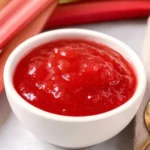
A simple, tangy-sweet Rhubarb Jam Without Pectin made with fresh rhubarb, sugar, ginger, and lemon, slowly cooked to a naturally thick consistency.
- Prep Time: 60-120 minutes
- Cook Time: 20-30 minutes
- Total Time: 80-150 minutes
- Category: Condiment
- Method: Stovetop
Ingredients
- 400 g fresh rhubarb, trimmed and cut into 1/2-inch pieces
- 400 g granulated sugar
- 4 cm fresh ginger, finely grated
- 1 to 2 tbsp lemon juice
Instructions
- Rinse the rhubarb thoroughly, trim the ends, and slice it into small pieces about 1/2 inch in size. Place the pieces into a mixing bowl and add the grated ginger if using.
- Sprinkle the sugar evenly over the rhubarb mixture and stir until well coated. Cover and leave it overnight so the fruit releases its juices and forms a syrup.
- Prepare clean jars by placing them in the oven at 120°C (250°F) until warm and sterilized.
- Transfer the rhubarb and its liquid into a large saucepan. Heat gently, stirring frequently, until the sugar has completely dissolved.
- Add the lemon juice and increase the heat, bringing the mixture to a steady boil. Allow it to cook, stirring occasionally, until the mixture thickens.
- Check for doneness by placing a small amount on a chilled plate. If it wrinkles slightly when pushed, it is ready.
- Remove from heat and let the jam sit for a few minutes before carefully spooning it into the warm jars. Seal immediately and allow to cool.
Notes
- Allow enough cooking time for the jam to naturally thicken since no pectin is added.
- Ensure the sugar fully dissolves before boiling to avoid a grainy texture.
- Use the cold plate test to confirm the jam has reached the proper consistency.
- Taste the mixture before finishing, as rhubarb tartness can vary and may need slight adjustment.
Nutrition
- Calories: 1600-1800
- Fat: 0-5 g
- Carbohydrates: 400-420 g
- Protein: 0-5 g
Keywords: rhubarb jam, no pectin jam, homemade jam, fruit preserves, small batch jam