
The first time I baked a Sicilian Whole Orange Cake, I remember pausing halfway through the process and staring at the blender. An entire orange—peel, pulp, juice, everything—was spinning into a bright, fragrant puree. It felt slightly rebellious. Every instinct said citrus peels belong in the trash, not cake batter.
But the aroma drifting from the oven about twenty minutes later told a different story. Sweet, sunny orange scent filled the kitchen, the kind that makes people wander in and ask, “What are you baking?”
That’s the magic of Sicilian Whole Orange Cake. It’s rustic, intensely citrusy, and unbelievably moist. Instead of delicate crumb like many American cakes, this one leans toward a denser, almost pudding-like texture—something you’d happily serve with coffee on a quiet afternoon or slice thick for a late-night treat.
And the best part? The orange isn’t just flavoring. It is the cake.
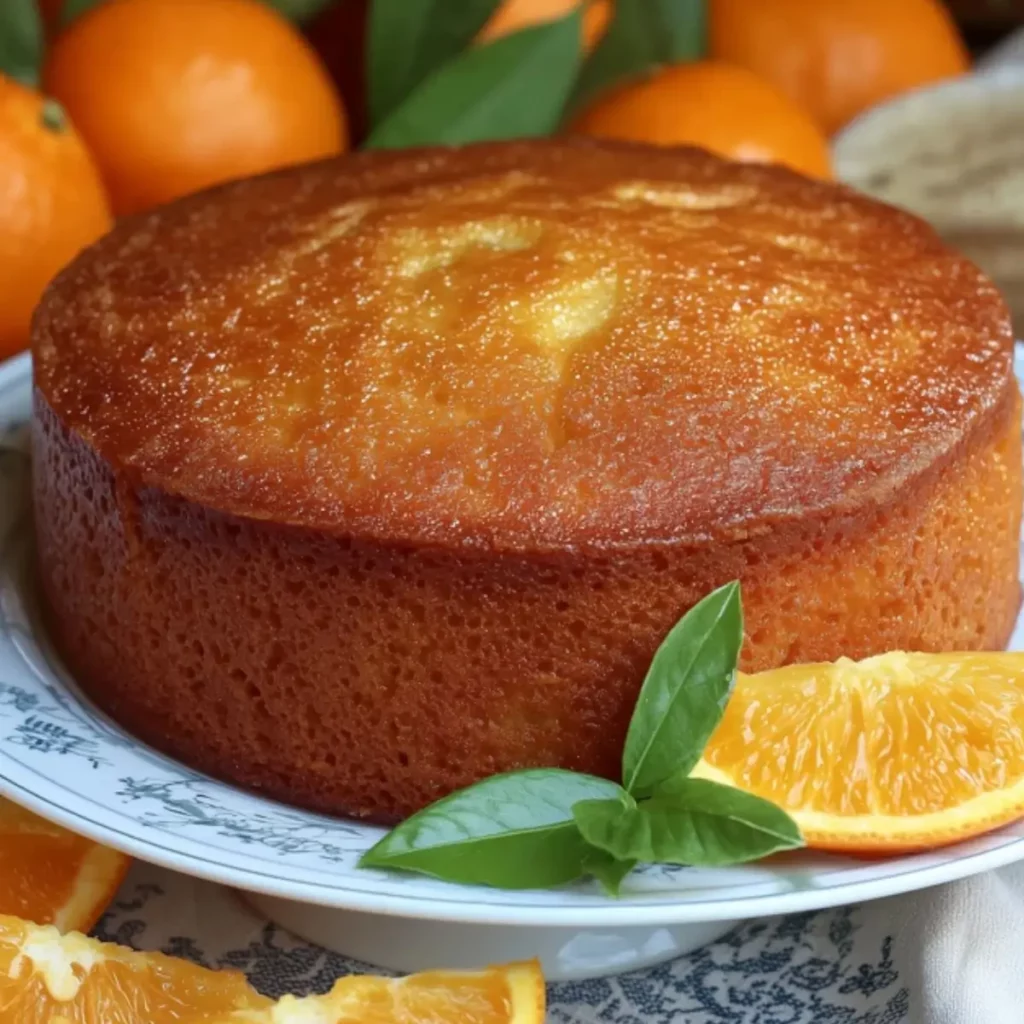
Table of Contents
The Sicilian Secret Behind This Whole Orange Cake
Sicilian desserts often celebrate simple ingredients, and this cake might be one of the most charming examples. Rather than extracting juice or zest, the entire orange is blended and folded into the batter.
That means every part contributes something:
- The zest adds bold citrus oils.
- The juice brings natural sweetness and acidity.
- The pulp gives moisture and body.
The result is a cake that tastes vividly orange without needing artificial flavorings or complicated techniques.
In many Italian households, recipes like this are everyday baking. You’ll see them on kitchen tables beside espresso cups, or served during relaxed Sunday gatherings. It’s not fancy—but it’s memorable.
Ingredients That Bring Sicilian Whole Orange Cake to Life
The ingredient list for Sicilian Whole Orange Cake is refreshingly short. Each component plays a clear role in the cake’s flavor and texture.
• Fresh orange – the heart of the cake. The entire fruit is blended, peel and all, creating that deep citrus flavor and signature moist crumb. Sweet, thin-skinned oranges work best.
• Eggs – give the cake structure and help create a light, creamy batter when beaten with sugar.
• Sugar – balances the slight bitterness from the orange peel while enhancing the natural fruit flavor.
• All-purpose flour – provides structure and stability to hold the moist batter together.
• Baking powder – lifts the cake so it stays tender instead of heavy.
• Butter – adds richness and softness to the crumb.
• Greek yogurt – keeps the cake incredibly moist and adds a subtle tang that pairs beautifully with citrus.
• Vanilla extract – deepens the flavor and rounds out the citrus notes.
• Fresh orange juice – used in the glaze to reinforce the bright orange flavor.
• Sugar for the glaze – melts into the juice to create a light syrup that soaks into the cake.
See the recipe card below for the full list of ingredients and measurements.
Turning a Whole Orange into Cake Batter
One of the most fascinating steps in Sicilian Whole Orange Cake is transforming the fruit itself.
Preparing the Orange
Start by washing the orange thoroughly. Since the peel goes straight into the batter, it’s worth choosing a good-quality fruit—ideally organic with a thin rind.
Cut the orange into chunks and remove any seeds. That’s it. No peeling, no zesting, no complicated prep.
Blending the Fruit
Place the orange pieces into a food processor or blender and pulse until the mixture becomes almost smooth.
It shouldn’t be completely liquid—more like a thick citrus puree. Tiny bits of peel remain visible, and that’s exactly what you want. Those flecks carry the intense oils that give Sicilian Whole Orange Cake its unmistakable flavor.
The first time I did this, I worried the peel would taste bitter. Surprisingly, once baked into the cake, it mellows beautifully.
Mixing and Baking Sicilian Whole Orange Cake
The batter for Sicilian Whole Orange Cake comes together quickly once the orange is ready.
- Beat the eggs and sugar
In a large bowl, whisk or beat the eggs with sugar until the mixture becomes pale and fluffy. This step adds air and helps the cake bake evenly. - Combine the dry ingredients
Sift the flour with baking powder so the cake stays light and lump-free. - Add butter and yogurt
Gradually incorporate softened butter along with the flour mixture. Stir in the yogurt until the batter becomes smooth and creamy. - Fold in the blended orange
Pour the orange puree into the batter and gently mix until fully combined. At this stage the batter smells unbelievably fresh—like sunshine in a bowl. - Prepare the pan
Grease and line a springform cake pan with parchment paper. This helps the cake release easily after baking. - Bake until golden
Pour the batter into the prepared pan and bake until the top is lightly golden and a cake tester inserted into the center comes out clean.
While the cake bakes, your kitchen will smell like a Sicilian citrus grove.
The Orange Glaze That Soaks Into Every Bite
A Sicilian Whole Orange Cake isn’t quite complete without its simple glaze.
This syrup is made by gently heating fresh orange juice with sugar until it dissolves and thickens slightly. The result is a glossy, citrusy glaze that’s brushed over the warm cake.
As it sits, the glaze slowly sinks into the crumb.
The first time I made it, I accidentally simmered the glaze a little longer than planned and it thickened into a deeper syrup. When it cooled on the cake, it created a delicate, almost candied layer on top.
Not a mistake I regretted.
How the Glaze Transforms the Cake
The glaze does two things at once:
- It intensifies the orange flavor.
- It keeps the cake unbelievably moist.
Each slice ends up soft and fragrant, with just a hint of sticky sweetness on top.
Small Tricks That Make Sicilian Whole Orange Cake Even Better
Even though the recipe is straightforward, a few thoughtful details make a noticeable difference.
Choose the Right Orange
Since the entire fruit goes into the batter, the flavor of the orange really matters.
Look for oranges that are:
- Sweet and juicy
- Fragrant
- Thin-skinned
Avoid overly thick rinds, which can introduce bitterness.
Don’t Overprocess the Fruit
The orange should be finely chopped but not completely liquid. Tiny specks of peel add both flavor and texture.
Let the Cake Cool Before Slicing
This is the hardest step. The smell alone makes patience difficult.
But letting Sicilian Whole Orange Cake cool completely allows the crumb to set properly, giving you clean slices and the perfect tender texture.
Serving Ideas for Sicilian Whole Orange Cake
Sicilian Whole Orange Cake shines in simple settings, the way many traditional Italian desserts do.
With Coffee or Espresso
A slice alongside strong espresso might be the most authentic way to enjoy it. The bitterness of the coffee balances the citrus sweetness beautifully.
As an Afternoon Cake
In Italy, cakes like this often appear during merenda—that relaxed afternoon snack time between lunch and dinner.
Serve thin slices with tea or cappuccino and it feels instantly cozy.
Lightly Dressed for Dessert
If you want to turn Sicilian Whole Orange Cake into a plated dessert, try pairing it with:
- A spoonful of whipped cream
- A scoop of vanilla gelato
- Fresh berries for contrast
The cake itself isn’t overly sweet, which makes it surprisingly versatile.
Storage and Freezing Tips
One thing that makes Sicilian Whole Orange Cake especially practical is how well it keeps.
Storing at Room Temperature
Once cooled, store the cake covered at room temperature for a couple of days. The citrus oils and yogurt keep it moist longer than many cakes.
Refrigeration
If your kitchen runs warm, placing the cake in the refrigerator helps it stay fresh a little longer. Just let slices come to room temperature before serving for the best flavor.
Freezing the Cake
Sicilian Whole Orange Cake freezes beautifully.
Wrap individual slices tightly and freeze them for quick treats later. When thawed, the cake remains soft and fragrant—almost like it was baked that same day.
I’ve pulled slices from the freezer on quiet evenings, warmed them slightly, and enjoyed them with tea. Somehow the orange flavor seems even deeper after resting.
Simple Variations Inspired by Sicilian Whole Orange Cake
Once you’ve baked the classic version, it’s hard not to start experimenting.
Because the technique uses the entire fruit, the idea adapts surprisingly well to other citrus.
Blood Orange Version
Blood oranges create a stunning variation with deeper flavor and subtle berry notes.
Lemon Twist
Replacing the orange with lemon produces a brighter, more tart cake. The peel gives it an intense citrus punch.
Rustic Loaf Cake
Instead of a round pan, the batter also works beautifully in a loaf tin, producing a slightly taller cake that slices neatly.
No matter the variation, the essence stays the same: a cake built around the bold, natural flavor of whole fruit.
Conclusion
By the time the cake cools and that glossy citrus glaze settles into the crumb, Sicilian Whole Orange Cake becomes something truly special. Each slice is fragrant, tender, and bursting with bright orange flavor that lingers pleasantly with every bite. The texture stays wonderfully moist thanks to the blended fruit, and the aroma alone feels like sunshine drifting through the kitchen. I love serving this cake slightly thick-cut with a cup of strong coffee or afternoon tea. A simple dessert, yes—but one that always feels a little magical when shared.
FAQs about Sicilian Whole Orange Cake
Can I freeze Sicilian Whole Orange Cake?
Yes, Sicilian Whole Orange Cake freezes very well. Once the cake has completely cooled, wrap slices tightly in plastic wrap and store them in a freezer-safe container. Thaw at room temperature when ready to enjoy. The texture stays soft and the citrus flavor remains vibrant.
Do I need a food processor for Sicilian Whole Orange Cake?
A food processor or blender is strongly recommended because the entire orange must be finely processed. The peel needs to break down enough to blend smoothly into the batter. Without this step, the cake could have uneven texture or overly large pieces of rind.
What type of orange works best for this cake?
Sweet, juicy oranges with relatively thin skin work best for Sicilian Whole Orange Cake. Navel oranges are commonly used because they’re naturally sweet and easy to find. Organic fruit is ideal since the peel is included in the batter.
How should I store leftover Sicilian Whole Orange Cake?
Store the cake covered at room temperature for up to two days, or refrigerate it if your kitchen is warm. The cake stays moist thanks to the orange puree and yogurt in the batter. Before serving refrigerated slices, let them sit at room temperature for the best flavor and texture.
More Relevant Recipes
- Mandarin Orange Pound Cake: This moist mandarin orange pound cake delivers bright citrus flavor and a rich, tender crumb that feels very similar to Sicilian Whole Orange Cake. The use of sweet mandarins gives the cake a fragrant aroma and natural sweetness, creating a dessert that highlights fresh citrus in every slice while maintaining that comforting homemade cake texture.
- Mandarin Cake (Moist Citrusy Recipe): Packed with vibrant orange flavor, this mandarin cake shares the same sunny citrus character that makes Sicilian Whole Orange Cake so memorable. Its soft, moist crumb and bright fruit-forward taste make it a wonderful alternative for anyone who loves desserts built around fresh oranges and simple baking techniques.
- Limoncello Cake with Mascarpone and Lemon Curd: This elegant lemon dessert celebrates citrus just like Sicilian Whole Orange Cake, but with a vibrant Italian twist. The bright limoncello flavor, creamy mascarpone, and tangy lemon curd create a layered citrus experience that still captures the same fresh Mediterranean dessert style and aromatic appeal.
Sicilian Whole Orange Cake

Sicilian Whole Orange Cake is a fragrant Italian-style dessert made by blending an entire orange into the batter, creating a moist cake with bright citrus flavor and a delicate orange glaze.
- Cook Time: 50–60 minutes
- Total Time: 53 minute
- Yield: 1 cake (about 8 slices) 1x
- Category: Dessert
- Method: Baking
- Cuisine: Italian
Ingredients
- 3 eggs
- 1 ⅛ cups sugar
- 2 cups all purpose flour
- 2 ½ tsp baking powder OR 1 packet Italian Pane Degli Angeli vanilla baking powder
- ⅓ cup salted butter, softened
- ⅓ cup plain Greek yogurt (sour cream can also be used)
- 1 orange, approximately 1 large fresh organic orange, washed and cut into pieces with seeds removed (peel included)
- 1 tsp vanilla extract (use only if using plain baking powder)
- 2 oz freshly squeezed orange juice
- 2 Tbsp sugar
Instructions
- Heat the oven to 350°F (175°C). Grease an 8-inch springform pan and line the base with parchment paper, then lightly grease the parchment as well.
- Place the eggs and sugar in a large mixing bowl and beat until the mixture becomes pale, thick, and creamy.
- In a separate bowl, combine the flour and baking powder. Gradually add this mixture to the egg mixture while mixing, along with the softened butter. Continue blending until the batter is smooth.
- Stir the Greek yogurt into the batter until evenly incorporated.
- Add the orange pieces to a food processor or blender and process until nearly smooth, forming a thick puree with small flecks of peel.
- Fold the orange puree into the batter along with the vanilla extract if using plain baking powder. Mix until everything is evenly combined.
- Transfer the batter to the prepared pan and spread it evenly.
- Bake for 50–60 minutes, or until a skewer inserted into the center comes out clean. Allow the cake to rest for about 15 minutes before removing the sides of the pan.
- To prepare the glaze, gently heat the orange juice with the sugar in a small saucepan until the sugar dissolves and the liquid becomes slightly syrupy.
- Spoon or brush the warm glaze over the cake while it is still slightly warm. Let the cake cool completely before slicing and serving.
Notes
- Select a sweet, juicy orange with relatively thin skin for the best flavor since the entire fruit is blended into the batter.
- The cake’s texture is naturally denser than typical sponge cakes, which helps highlight the rich citrus flavor.
- If the glaze cooks a little longer and thickens further, it can create a slightly candied topping once it cools on the cake.
- This cake can also be baked in a loaf pan or a bundt pan; however, the batter amount may create a shorter bundt unless the recipe is increased.
- Slices freeze well when wrapped tightly, making it easy to enjoy later.
Nutrition
- Serving Size: 1 slice
- Calories: 335 kcal
- Sugar: 35 g
- Sodium: 194 mg
- Fat: 10 g
- Saturated Fat: 6 g
- Unsaturated Fat: 4 g
- Trans Fat: 0.3 g
- Carbohydrates: 57 g
- Fiber: 1 g
- Protein: 6 g
- Cholesterol: 71 mg
Keywords: Sicilian Whole Orange Cake, whole orange cake, Italian orange cake, citrus cake, orange dessert