If you’ve been craving homemade bread that’s gentle on your teeth but still full of that classic tangy sourdough flavor, this soft crust sourdough bread is exactly what you need. It’s the kind of loaf you can slice without a struggle, perfect for sandwiches, toast, or just tearing off a warm piece while the butter melts into every nook.
The first time I baked a softer sourdough loaf, it felt like a small victory. No overly tough crust, no wrestling with a serrated knife—just a tender exterior giving way to a fluffy, slightly chewy crumb. And the smell? That cozy, slightly tangy aroma that fills the kitchen and makes it impossible to wait.

Table of Contents
Why This Soft Crust Sourdough Bread Just Works
Not all sourdough loaves need that thick, crackly crust. This version leans into comfort and everyday practicality. The crust stays soft and pliable, making it ideal for families, kids, or anyone who prefers a more approachable loaf.
It’s also wonderfully versatile. You can use this soft crust sourdough bread for sandwiches, grilled cheese, or even French toast without worrying about it being too crusty or dry. The crumb stays light and airy, with just enough structure to hold up to spreads and fillings.
And the best part? You still get that signature sourdough depth of flavor—just in a gentler, more everyday-friendly form.
What Goes Into This Soft Crust Sourdough Bread
- Active sourdough starter – the heart of the bread, giving it that signature tang and helping it rise naturally.
- Bread flour – provides structure and chew, creating a soft yet sturdy crumb.
- Water – hydrates the dough and helps develop gluten for that airy texture.
- Salt – enhances flavor and balances the natural sourness.
- Olive oil – adds tenderness and helps keep the crust soft instead of crisp.
- Honey or sugar – a subtle touch of sweetness that also supports fermentation and softness.
See the recipe card below for the full list of ingredients and measurements.
Bringing Soft Crust Sourdough Bread to Life
- Mix the dough by combining the sourdough starter, water, and a touch of sweetness until it looks milky and smooth. Add the flour and salt, then stir until a shaggy dough forms with no dry patches.
- Knead or stretch the dough until it becomes smoother and more elastic. It should feel soft and slightly tacky, not stiff. As you work it, you’ll notice it becoming more cohesive and stretchy.
- Let it rise in a covered bowl until it looks puffy and slightly domed. You’re looking for visible air bubbles and a dough that feels lighter when you handle it.
- Shape the loaf gently, tucking the edges underneath to create a smooth top. Try not to deflate it too much—you want to keep those airy pockets intact.
- Transfer to a pan and allow it to proof again until it rises just above the edge. It should look soft and pillowy, with a slight jiggle when you move it.
- Bake until golden and the top turns a light, even brown. The kitchen will smell warm and slightly tangy, and the crust should feel soft to the touch rather than hard.
- Brush or cover while warm to keep the crust tender. As it cools, you’ll notice the exterior stays soft instead of crisping up.
Small Tweaks for the Best Soft Crust Every Time
A little oil goes a long way here. It’s what helps transform a typically crusty sourdough into something much softer, so don’t skip it.
If your crust turns out firmer than you’d like, try covering the loaf loosely as it cools. Trapping a bit of steam softens the exterior beautifully.
Pay attention to your dough’s feel rather than the clock. A properly proofed dough should look airy and slightly jiggly. If it’s dense or tight, give it more time.
And if your kitchen runs cool, the rise may take longer. A slightly warmer spot—like near the oven—can help the dough along without rushing it.
Easy Ways to Serve and Switch It Up
This soft crust sourdough bread shines in everyday meals. Slice it thick for sandwiches, or toast it lightly and spread with butter and jam for a simple breakfast.
For a savory twist, use it for grilled cheese or paninis—the soft crust crisps just enough in the pan while staying tender inside. It also makes an excellent base for avocado toast or open-faced sandwiches.
You can switch things up by adding herbs to the dough for a subtle savory note, or a sprinkle of seeds on top before baking for a bit of texture. And if you’re planning ahead, this loaf freezes well—just slice it first so you can grab a piece whenever the craving hits.
A Warm, Simple Finish
Once it’s cooled just enough to slice, this soft crust sourdough bread is at its absolute best—tender on the outside, airy on the inside, and carrying that gentle tang in every bite. It’s the kind of loaf you’ll find yourself reaching for throughout the day, whether it’s for a quick sandwich or a quiet moment with butter and tea. The texture stays soft, the flavor deepens, and somehow it always disappears faster than expected. Keep a loaf on hand, and it quickly becomes part of your everyday rhythm in the kitchen.
FAQs about Soft Crust Sourdough Bread
How do I store soft crust sourdough bread to keep it soft?
Store the bread in a sealed bag or airtight container at room temperature. This helps maintain its soft crust and prevents it from drying out. Avoid refrigerating, as that can make the crumb firm more quickly.
Can I freeze soft crust sourdough bread?
Yes, it freezes very well. Slice the loaf first, then store it in a freezer-safe bag. You can pull out individual slices and toast or warm them as needed without thawing the entire loaf.
Why is my soft crust sourdough bread turning out too hard?
A firmer crust usually means too much moisture escaped during baking or cooling. Try covering the loaf with a cloth while it cools to trap steam. Adding enough oil to the dough also helps keep the crust tender.
What are the best ways to serve soft crust sourdough bread?
This bread is perfect for sandwiches, toast, or even grilled cheese. It also pairs beautifully with soups and spreads like butter, jam, or soft cheeses. Light toasting brings out its flavor without making it too crisp.
More Relevant Recipes
- No Knead Whole Wheat Bread: This wholesome loaf offers a soft, tender crumb with a slightly nutty flavor, making it a natural companion to soft crust sourdough bread. It’s easy to prepare with minimal hands-on time and delivers that same comforting, sliceable texture perfect for everyday sandwiches and toast.
- Easy Vegan Focaccia Bread: Light, airy, and infused with olive oil, this focaccia shares the same soft, pillowy bite that makes soft crust sourdough bread so appealing. With its golden surface and delicate interior, it’s ideal for dipping, snacking, or serving alongside soups and salads.
- Homemade White Sandwich Bread: This classic sandwich loaf features a fluffy interior and soft crust, closely mirroring the texture and versatility of soft crust sourdough bread. It’s perfect for stacking with fillings, toasting lightly, or enjoying with a simple spread of butter or jam.
Soft Crust Sourdough Bread
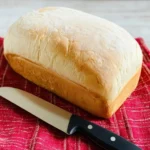
Soft Crust Sourdough Bread is a tender, sandwich-friendly loaf with a light crumb, gentle chew, and classic sourdough flavor.
- Prep Time: 15 minutes
- Cook Time: 30 minutes
- Total Time: 8 hours 15 minutes
- Yield: 14 servings 1x
- Category: Bread, Breakfast, Snack
- Method: Baked
- Cuisine: American
Ingredients
- 1 cup active sourdough starter
- 1/2 cup purified water
- 1 large egg
- 1 tbsp olive oil
- 1 1/2 tbsp honey
- 1 tsp fine sea salt
- 2 3/4 cups unbleached all-purpose flour
Instructions
- Combine the sourdough starter, water, egg, olive oil, honey, salt, and flour in the bowl of a stand mixer fitted with a dough hook. Mix just until a rough dough forms.
- Knead on low speed for 8-10 minutes, until the dough becomes smooth and stretchy and can pass the windowpane test. Shape it into a ball and place it in an oiled bowl.
- Cover the bowl lightly with plastic wrap or a clean towel. Let the dough rise in a warm spot for 6 hours.
- Turn the dough onto a lightly greased surface and press or roll it into a rectangle. Fold in the sides, then roll it up into a loaf. Pinch the seam and the ends closed, then set it seam-side down in a greased 8.5 x 4.5-inch loaf pan.
- Cover the pan with plastic wrap and let the loaf rise in a warm place until it fills the pan and stands about 1 inch above the rim. This takes about 1 1/2-2 hours.
- Bake on the center rack of a 350°F oven for 25-30 minutes, until the top is golden and the loaf sounds hollow when tapped.
- Run a knife around the edges to loosen the bread, then remove it from the pan and cool on a wire rack.
Notes
- If you knead the dough by hand, expect it to take closer to 10 minutes to fully develop the gluten.
- For an overnight schedule, let the dough proof in the refrigerator, then finish the final rise at room temperature.
- Keep the baked loaf wrapped in plastic wrap or aluminum foil at room temperature for 5-7 days.
- Do not refrigerate the finished bread, or it may dry out faster.
- To freeze, wrap the cooled loaf in plastic wrap and place it in a zip-top freezer bag. It can be frozen for up to 3 months and thawed at room temperature.
Nutrition
- Serving Size: 1 serving
- Calories: 126 kcal
Keywords: Soft Crust Sourdough Bread, sandwich bread, sourdough bread