There’s something oddly nostalgic about a pot of stewed rhubarb quietly bubbling away on the stove. The smell hits first—sharp, almost cheeky in its tartness—then softens into something mellow and jammy. I remember the first time I made this stewed rhubarb recipe, I kept peeking into the pot like it might magically transform faster if I watched closely. It didn’t. But the wait? Worth it.
This stewed rhubarb turns into a silky, tangy-sweet compote that feels like it belongs everywhere—on yogurt, tucked into cakes, spooned over pancakes when you’re half-awake and slightly grumpy. It’s simple. Almost suspiciously simple. And yet, it delivers that bright, fruity punch every single time.
Table of Contents
The Quiet Magic Behind This Stewed Rhubarb
Rhubarb has a personality. It’s not shy. Raw, it’s intensely tart—borderline aggressive—but once it meets a bit of sugar and heat, it relaxes into something soft, lush, and deeply comforting.
What makes this stewed rhubarb recipe special isn’t complexity. It’s restraint. Just a few ingredients, gently cooked, letting the rhubarb do its thing. No distractions. No unnecessary fuss.
And honestly? That’s where the magic sneaks in.
Ingredients That Shape This Stewed Rhubarb
You only need a handful of components, but each one pulls its weight in a very specific way:
- Fresh rhubarb – the star, of course. It breaks down into a soft, slightly fibrous texture with that signature tang.
- Sugar – smooths out the sharp edges of the rhubarb and coaxes out its natural fruitiness.
- Water – helps everything soften and simmer into that spoonable consistency.
- Lime juice and zest (optional) – adds a bright, citrusy lift that makes the whole thing pop a little more.
See the recipe card below for the full list of ingredients and measurements.
Cooking Stewed Rhubarb: Slow Simmer, Big Flavor
Getting the Rhubarb Ready
Start by giving your rhubarb a good rinse. Trim off the ends and—this part matters—discard the leaves completely. They’re not edible, so don’t even think about sneaking them in.
Slice the stalks into small chunks. Not perfectly even, just roughly consistent. Smaller pieces cook faster, but honestly, a bit of variation makes the final texture more interesting.
Letting the Pot Do Its Thing
- Toss the chopped rhubarb into a saucepan.
- Add your sugar and a splash of water.
- If you’re using lime juice or zest, stir that in now.
Set the heat somewhere between low and medium. Nothing aggressive. This isn’t a race.
As it warms up, the rhubarb starts to collapse—slowly at first, then all at once. Stir occasionally, just enough to keep things from sticking and to watch the transformation happen.
After a while, it turns into a thick, rosy mixture. Some pieces might still hold their shape. Others dissolve completely. That contrast? Kind of perfect.
Knowing When It’s Done
You’ll know your stewed rhubarb is ready when the mixture looks like a chunky sauce and the fruit has mostly broken down.
If you like it smoother, keep cooking a bit longer. If you prefer a little texture, pull it off the heat earlier. There’s no strict rule here, which is oddly freeing.
Taste it. Always taste it.
If it leans too tart, stir in a little extra sugar while it’s still warm. It’ll melt right in and mellow things out.
Texture Tweaks and Flavor Twists
Chunky or Smooth? Your Call
Some days I want that rustic, slightly lumpy texture—little pockets of soft fruit that burst when you bite into them. Other times, I blend it into a silky sauce that feels almost like a dessert drizzle.
If you’re in the smooth camp, a quick blitz with a blender does the trick. Strain it if you want it extra refined.
Playing Around with Flavor
This stewed rhubarb recipe is a bit of a blank canvas, and it welcomes experimentation:
- Add a pinch of ground ginger for warmth.
- Drop in a cinnamon stick or a whisper of nutmeg for something cozier.
- Toss in a handful of strawberries or apple slices to soften the tartness naturally.
- Swap lime for orange zest if you want something sweeter and rounder.
Sometimes I follow the same version every time. Other days, I improvise. Both approaches work, which feels… liberating.
Serving Stewed Rhubarb in Everyday Life
This is where things get fun. Because once you’ve got a jar of stewed rhubarb sitting in your fridge, it starts sneaking into everything.
Breakfast Situations
Spoon it over thick Greek yogurt. Add granola if you’re feeling ambitious. Or not. It’s still good.
Drizzle it over pancakes or waffles, where it seeps into every little crevice. Slightly messy. Completely worth it.
Dessert Moments
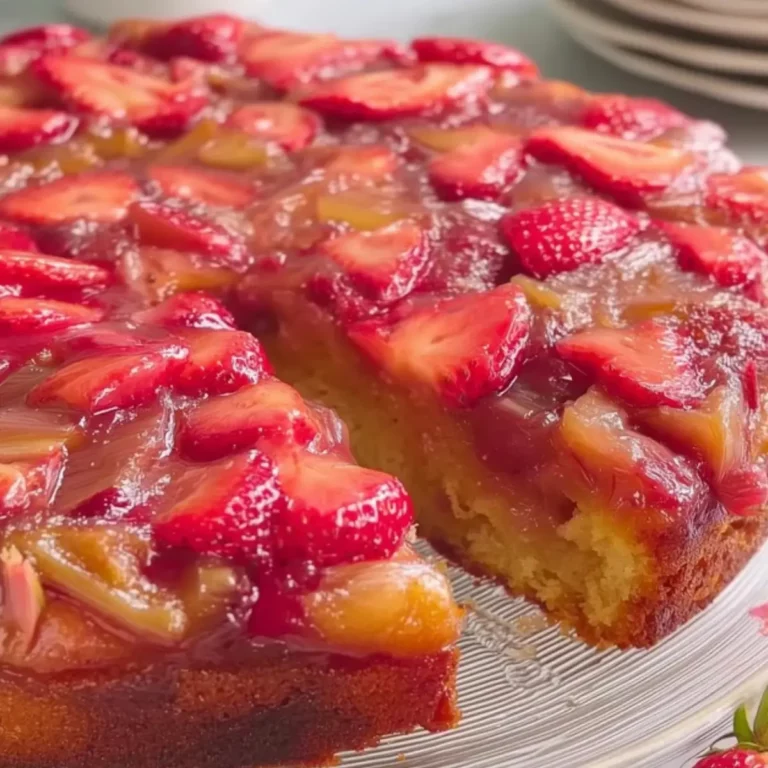
Layer it into a cake or tart filling. It pairs beautifully with creamy elements—custard, whipped cream, even ice cream that melts just enough to swirl into the rhubarb.
Or just… eat it straight from the spoon. No judgment.
Unexpected Pairings
It’s surprisingly good with cheesecake, cutting through the richness with that bright acidity. And with fresh berries? It somehow makes them taste even more like themselves.
Keeping Your Stewed Rhubarb Fresh
In the Fridge
Once cooled, transfer your stewed rhubarb into a sealed jar or container. It’ll keep happily in the fridge for about a week or two.
I usually forget it’s there for a few days, then rediscover it like a small, edible treasure.
Freezing for Later
Yes, you can freeze it. And you probably should, especially during rhubarb season when it’s everywhere and impossible to ignore.
Let it cool completely, then portion it into containers—or even ice cube trays for smaller servings. It freezes beautifully and keeps its flavor for months.
Defrost what you need, when you need it. No rush.
Small Details That Make a Difference
Sweetness Isn’t One-Size-Fits-All
Rhubarb varies. Some stalks are sharper than others, almost startlingly so. That’s why tasting at the end matters more than anything written in a recipe.
Adjust. Trust your palate.
Don’t Rush the Simmer
It’s tempting to crank up the heat and speed things along. I’ve done it. It works… sort of. But you lose that gentle breakdown, that soft melding of flavors.
Low and slow wins here.
The Color Tells a Story
Depending on your rhubarb, the final color might range from pale pink to deep ruby. Both are fine. Don’t chase a specific shade—it doesn’t change the taste.
The pot quiets down. The rhubarb softens. And somewhere between the stirring and the tasting, this stewed rhubarb recipe becomes less of a recipe and more of a rhythm you fall into without thinking.
Conclusion
There’s something quietly satisfying about having a jar of stewed rhubarb tucked in the fridge, ready to rescue a plain breakfast or dress up a last-minute dessert. It’s soft, a little tangy, a little sweet—never boring. Sometimes I eat it cold straight from the jar, other times I warm it just enough so it melts into whatever it touches. However you serve it, this stewed rhubarb has a way of slipping into your routine and staying there.
FAQs about Stewed Rhubarb
Can I freeze stewed rhubarb for later use?
Yes, stewed rhubarb freezes really well. Let it cool completely, then store it in airtight containers or freezer bags. You can even freeze it in small portions for convenience. When ready to use, thaw it in the fridge overnight or gently warm it on the stove.
How long does stewed rhubarb last in the fridge?
Stewed rhubarb will keep in the refrigerator for about 1 to 2 weeks when stored in a sealed container. Always use a clean spoon when serving to keep it fresh longer. If it smells off or changes texture too much, it’s best to discard it.
Can I make stewed rhubarb without sugar?
You can swap sugar for alternatives like honey, maple syrup, or agave. Keep in mind, the texture may be slightly more liquid and the flavor less sharp. You might need to simmer it a bit longer to thicken properly.
What are the best ways to serve stewed rhubarb?
Stewed rhubarb is incredibly versatile. Spoon it over yogurt, pancakes, waffles, or oatmeal for breakfast. It also works beautifully as a topping for ice cream, cheesecake, or custard-based desserts. Even a simple bowl of fresh fruit gets a boost from it
More Relevant Recipes
- Strawberry Rhubarb Compote: This bright, fruit-forward compote blends the tartness of rhubarb with the natural sweetness of strawberries, creating a softer, more rounded flavor than classic stewed rhubarb. It delivers the same spoonable texture and versatility, making it perfect for topping yogurt, pancakes, or even layering into desserts.
- Rhubarb Chia Pudding: Creamy chia pudding meets the tangy punch of rhubarb in this nourishing, make-ahead breakfast. Much like stewed rhubarb, the fruit component adds a vibrant, slightly tart contrast that balances the richness, creating a satisfying and refreshing dish with layered textures.
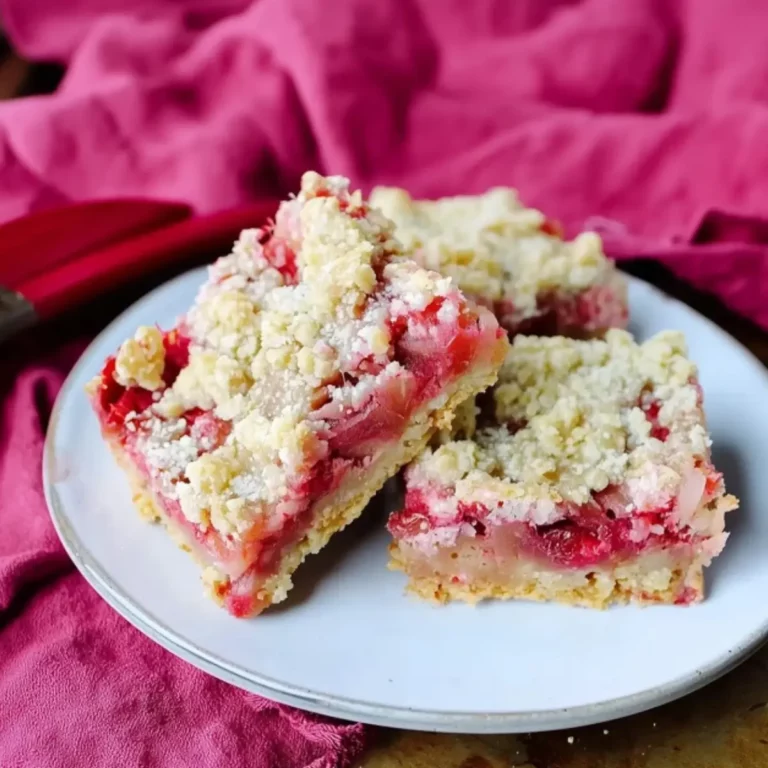
- Vegan Rhubarb Crumble: This cozy crumble pairs soft, jammy rhubarb filling with a crisp, golden topping. It captures the same comforting essence as stewed rhubarb but adds a warm, baked element and a bit of crunch, making it an ideal dessert when you want something rustic and deeply flavorful.
Stewed Rhubarb
This Stewed Rhubarb is a quick fruit topping with a bright, tangy flavor and a soft, spoonable texture that works beautifully for breakfast or dessert.
- Prep Time: 10 minutes
- Cook Time: 15 minutes
- Total Time: 25 minutes
- Yield: 1 large jar 1x
Ingredients
- 500 gr (1 lb) fresh rhubarb, trimmed and cut into small pieces
- 120 ml (1/2 cup) water
- 80 gr (1/3 cup) white sugar
- 1 lime, juice and zest, optional
Instructions
- Rinse the rhubarb well, then remove the ends and discard any leaves. Cut the stalks into small chunks.
- Add the chopped rhubarb to a medium saucepan. Pour in the water, add the sugar, and mix in the lime juice and zest if using. Stir everything together.
- Set the pan over low to medium heat and cook for about 15 minutes, stirring from time to time, until the fruit softens and mostly collapses into a thick mixture.
- Take the pan off the heat and let the stewed fruit cool completely.
- Spoon the cooled mixture into a clean sealed jar and store it in the refrigerator for up to 2 weeks.
Notes
- The exact cooking time can shift depending on the rhubarb variety and how mature the stalks are.
- For a looser topping, stop cooking once the fruit has softened and the juices have thickened slightly.
- For a denser compote, keep it on the heat a little longer so more moisture cooks away.
- If you prefer very little texture, continue simmering until the remaining pieces fully break down.
- Taste after cooking. If the rhubarb still seems too sharp, stir in an extra 1 tbsp sugar while the mixture is warm so it melts in easily.
Nutrition
- Calories: 435
- Sugar: 86g
- Sodium: 28mg
- Fat: 1g
- Saturated Fat: 1g
- Carbohydrates: 110g
- Fiber: 11g
- Protein: 5g
Keywords: Stewed Rhubarb, rhubarb compote, rhubarb sauce, fruit topping